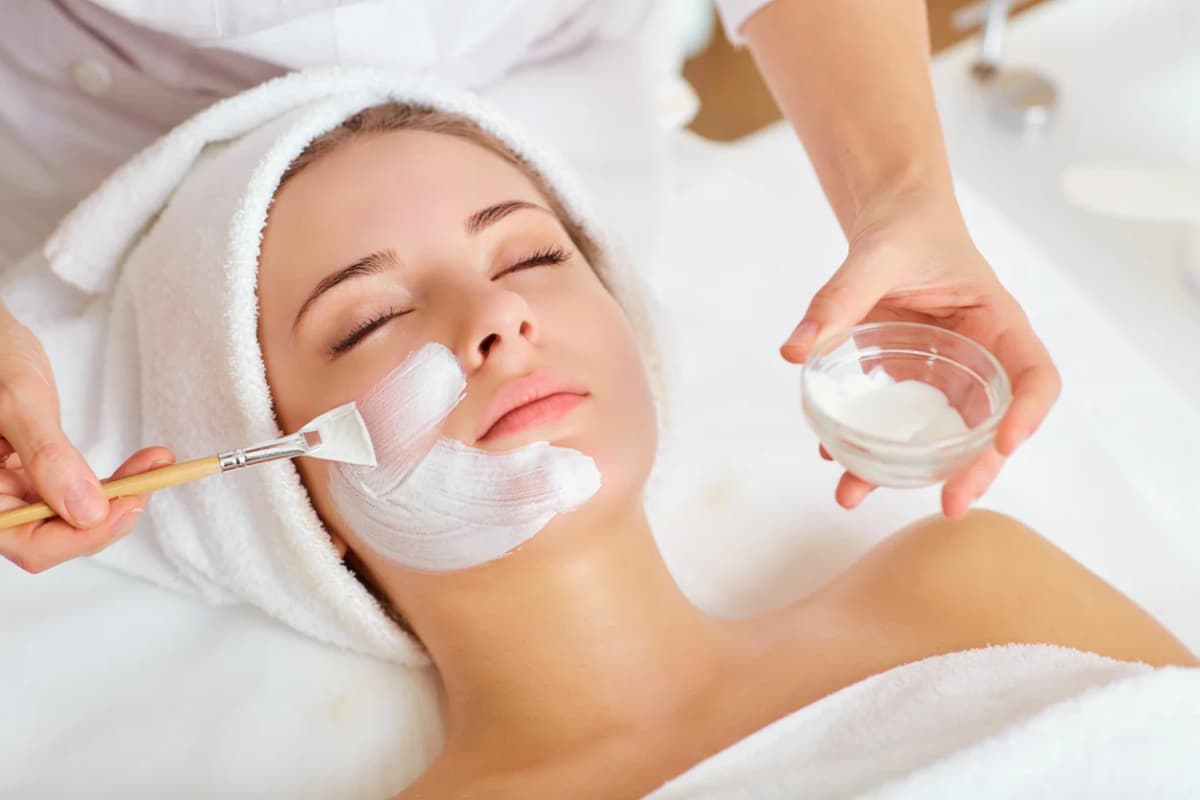
Facials 101: What a Facial Really Does and How to Choose the Right One
A clear, science-grounded guide to what facials do for your skin, the main types, how often to get them, and how to pick the right one.
Chemical peels, hydradermabrasion, microdermabrasion, LED and active-ingredient facials, what each does, who it suits, and how to choose.
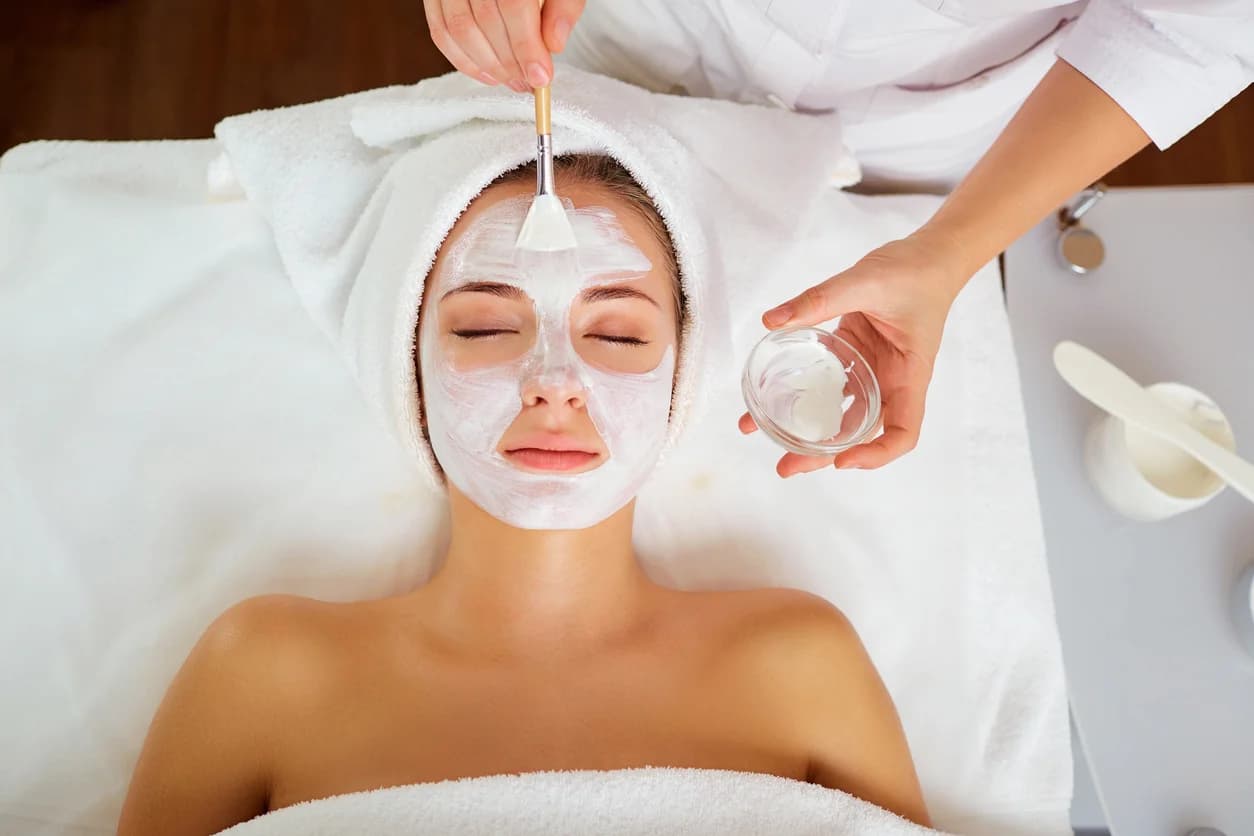
When a classic facial isn't quite enough for a specific concern, stubborn pigmentation, acne, dullness, fine lines, an advanced facial steps up with clinically studied techniques and stronger actives. But the category is crowded with names (peels, hydrafacial, microdermabrasion, LED) and a lot of marketing. This guide explains what each one actually does, the evidence behind it, who it suits, and how to choose, so you can spend wisely.
Quick orientation
Advanced facials work more deeply than classic facials, often by controlled exfoliation, resurfacing, light therapy, or potent active ingredients.
The evidence is strongest for chemical peels (especially for acne and pigmentation) and supportive for hydradermabrasion and LED; it's more mixed for microdermabrasion on pigment and acne.2,3,4,6
All of them work best as a course of treatments plus daily sunscreen, not a single fix.10
Stronger (medium/deep) peels and medical-grade procedures belong in a clinical/dermatology setting.1
A chemical peel applies an exfoliating acid to remove outer skin layers in a controlled way, prompting fresher skin to surface. Superficial peels use alpha-hydroxy acids such as glycolic acid and beta-hydroxy acids such as salicylic acid.1 The evidence here is genuinely strong: salicylic acid is often called the 'gold standard' superficial peel for mild-to-moderate acne, and glycolic acid peels are well studied for acne, pigmentation, melasma and photoageing, simple, with little to no downtime.1,2
Importantly, reviews conclude that superficial and medium-depth peels are safe in trained hands, while deep peels should generally be avoided outside specialist settings.1 A salon-level peel means a superficial peel; anything deeper is a medical procedure.
Best for: acne, congestion, uneven tone, dullness, pigmentation and early photoageing.
Hydradermabrasion combines gentle exfoliation with simultaneous infusion of hydrating, antioxidant serums using a water-based vortex. Unlike traditional microdermabrasion, it cleanses and resurfaces without the micro-tears, so it's gentler and can be done more often.4 Clinical work has documented increased epidermal thickness and antioxidant levels in treated skin, and a clarifying-treatment study in active acne saw the proportion of patients with clear or almost-clear skin rise from 20% to 65%.4,5
Best for: dullness, dehydration, congestion and a quick radiance boost with no downtime, popular as a 'glow before an event' treatment.
Microdermabrasion mechanically buffs away the outermost skin using fine crystals or a diamond tip. An evidence-based review found it can improve skin texture and contour and produces measurable changes in the skin's structure, but its role in treating pigmentation (dyschromia) and acne is limited.3 In other words: good for smoothness and a refreshed surface, more modest for pigment and breakouts.
Best for: rough texture, dullness and superficial smoothing, set expectations accordingly for pigment and acne.
LED facials use specific wavelengths of light, typically blue for acne-causing bacteria and red for inflammation and collagen support. A systematic review and meta-analysis supports LED's role in skin therapy, and studies show red light improving wrinkles and signs of photodamage while blue/red combinations help acne.6 It's painless and well tolerated. The honest caveat: outcomes depend heavily on device parameters (wavelength, dose), and many consumer devices are cleared for safety rather than proven efficacy, professional-grade equipment and protocols matter.6
Best for: acne and inflammation (blue/red), and as a collagen-supporting, anti-ageing add-on (red). Often combined with other treatments.
Some advanced facials are built around evidence-backed actives delivered professionally:
Vitamin C (ascorbic acid): a potent antioxidant shown to support collagen synthesis, reduce the look of wrinkles, and decrease melanin formation to brighten tone.7
Retinoids/retinol: topical tretinoin is the clinical 'gold standard' for photoageing, with robust evidence for reducing fine lines and improving texture and pigmentation; retinol is a gentler over-the-counter cousin.8 (Professional use requires care and is not for pregnancy.)
Niacinamide: well studied for improving barrier function, tone, and the look of fine lines and pigmentation.
Best for: brightening, anti-ageing and overall skin quality, these actives also make excellent home-care companions to your facials.
Treatment | Main benefit | Downtime | Evidence |
|---|---|---|---|
Superficial chemical peel | Acne, pigmentation, tone, texture | Little/none | Strong1,2 |
Hydradermabrasion | Hydration, glow, congestion | None | Supportive4,5 |
Microdermabrasion | Texture, smoothing | Minimal | Mixed3 |
LED therapy | Acne, inflammation, collagen | None | Supportive6 |
Active-ingredient facial | Brightening, anti-ageing | None | Strong (actives)7,8 |
Advanced facials cost more than classic facials because they use clinical-grade products, equipment and training and they're usually most effective as a course (commonly four to six sessions) rather than a one-off, especially for pigmentation and acne. Exact pricing depends on the treatment, the actives used and your skin plan, so the most accurate figure comes from a consultation. Treat any unusually cheap 'advanced' treatment with caution: with peels and devices, expertise is what keeps results good and skin safe.1
Acne / congestion: salicylic-acid peel or LED (blue/red); hydradermabrasion for a clarifying boost.2,5,6
Pigmentation / tan / uneven tone: glycolic-acid peel and vitamin-C-based actives, always with sunscreen.1,7,10
Fine lines / anti-ageing: retinoid-based facials and red LED, supported by home retinol/vitamin C.6,8
Dullness / event glow: hydradermabrasion or a light peel.4
Sensitive or reactive skin: start gentler and patch-test; advanced doesn't mean aggressive.
Most salon-level advanced facials are comfortable with little to no downtime. Superficial peels may cause mild tingling and light flaking for a few days; hydradermabrasion and LED are gentle with no downtime; microdermabrasion may leave skin briefly pink. Deeper, more intensive resurfacing is a medical procedure handled in clinical settings.1
For texture or a one-off glow, you may see a difference after a single session. For pigmentation, acne or ageing concerns, a planned course (often four to six sessions, spaced a few weeks apart) gives the cumulative results these concerns require.2,5
Yes, combinations are common and often complementary (for example, exfoliation or hydradermabrasion followed by LED, or actives layered into a treatment). The right combination depends on your skin and is best planned by your therapist to avoid over-treating.
Often yes, with the right choices. The key is starting gently, patch-testing, and being cautious with heat and aggressive exfoliation on skin prone to post-inflammatory pigmentation. This is exactly why a professional assessment matters before an advanced treatment.1
They serve different roles. Advanced facials target specific concerns; classic facials and a good home routine maintain the results between them. Most people do best with a blend.
Advanced facials can deliver real, measurable improvements, strongest for peels and active-ingredient treatments, supportive for hydradermabrasion and LED, more modest for microdermabrasion on pigment and acne. The keys are matching the treatment to your concern, committing to a sensible course, choosing skilled hands, and protecting your skin with daily sunscreen.
Want a tailored plan? Book a skin consultation at Diana & Dapper, we'll assess your skin, recommend the right advanced facial (or course), give you a clear quote, and tell you honestly when a concern is better handled by a dermatologist.
1. A Practical Approach to Chemical Peels: Review of Fundamentals. PMC, 2018. https://pmc.ncbi.nlm.nih.gov/articles/PMC6122508/
2. Chemical peels for acne vulgaris: a systematic review of randomised controlled trials. PMC, 2018. https://pmc.ncbi.nlm.nih.gov/articles/PMC5931279/
3. Microdermabrasion: an evidence-based review. PubMed, 2010. https://pubmed.ncbi.nlm.nih.gov/20048628/
4. Freedman BM. Hydradermabrasion: an innovative modality for nonablative facial rejuvenation. PubMed, 2008. https://pubmed.ncbi.nlm.nih.gov/19146604/
5. Efficacy and Tolerability of HydraFacial Clarifying Treatment in Active Acne Vulgaris. JCAD. https://jcadonline.com/hydrafacial-treatment-active-acne-vulgaris/
6. Ngoc et al. Utilization of light-emitting diodes for skin therapy: systematic review and meta-analysis. Photodermatol Photoimmunol Photomed, 2023. https://onlinelibrary.wiley.com/doi/10.1111/phpp.12841
7. Topical Vitamin C and the Skin: Mechanisms of Action and Clinical Applications. PMC, 2017. https://pmc.ncbi.nlm.nih.gov/articles/PMC5605218/
8. Topical tretinoin for treating photoaging: a systematic review of RCTs. PMC, 2022. https://pmc.ncbi.nlm.nih.gov/articles/PMC9112391/
9. GoodRx Health (medically reviewed). Are Facials Worth It? (mixed evidence for some advanced therapies). https://www.goodrx.com/health-topic/dermatology/are-facials-worth-it
10. American Academy of Dermatology. How to select a sunscreen. https://www.aad.org/public/everyday-care/sun-protection/shade-clothing-sunscreen/how-to-select-sunscreen
A note on this article
This article is for general education and is based on the cited scientific sources. It is not medical advice. Advanced facials should be performed by trained professionals; medium-depth and deep peels and any medical-grade procedures belong in a clinical setting. For persistent acne, pigmentation, scarring or any skin condition, consult a qualified dermatologist. At Diana & Dapper we assess your skin before recommending any advanced treatment, book a consultation to find what's right for you.
Ready to book?
Sainikpuri and Malkajgiri. Walk-ins always welcome — no appointment needed.
Browse all articles or explore by topic below.
A clear, science-grounded guide to what facials do for your skin, the main types, how often to get them, and how to pick the right one.
What a keratin treatment really does, who it suits, and how to decide, explained simply, backed by science.
A friendly, honest guide to hair smoothening, what it is, how it differs from keratin and rebonding, and how we keep it safe.
Your scalp is the soil your hair grows from. Here's what a salon scalp treatment can and can't, do, explained simply.
A friendly guide to the quick add-on treatments worth booking alongside your facial or hair appointment and how to get the best results.
Your guide to professional facials and why your face deserves the very best care