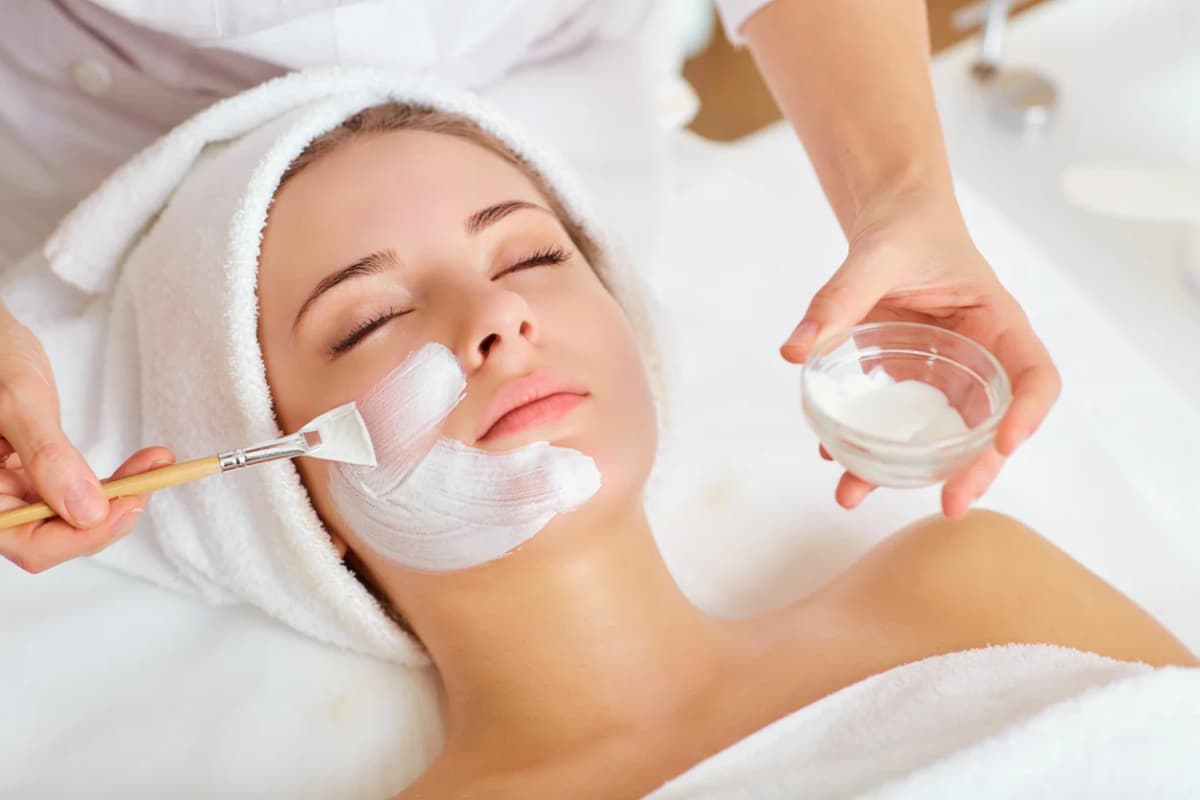
Facials 101: What a Facial Really Does and How to Choose the Right One
A clear, science-grounded guide to what facials do for your skin, the main types, how often to get them, and how to pick the right one.
What a keratin treatment really does, who it suits, and how to decide, explained simply, backed by science.
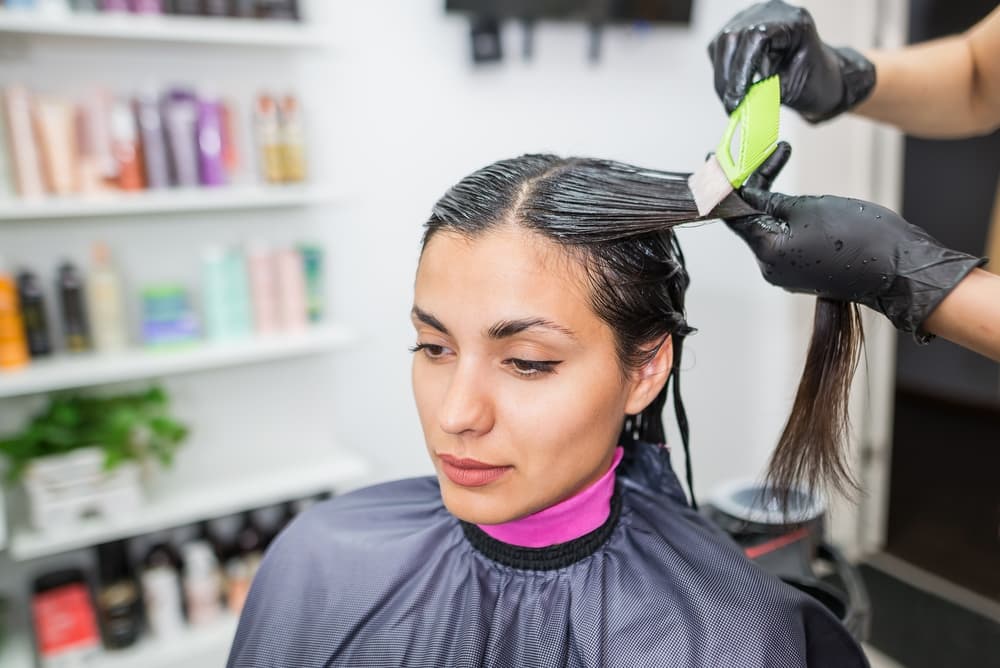
If you live in Hyderabad, you already know the routine. You spend twenty minutes blow-drying your hair smooth in the morning, step outside into the heat and humidity, and by the time you reach work it has puffed back up into frizz. A keratin treatment is one of the most popular salon services in the world precisely because it promises to break that cycle: smoother, shinier, more manageable hair that behaves itself even when the weather doesn't.
But there is a lot of confusion about what a keratin treatment actually is, who it suits, and whether it is safe. This guide walks you through it in plain language so you can decide with confidence.
The short version
A keratin treatment smooths and de-frizzes your hair. It does not chemically force it permanently straight.
Results typically last three to six months and fade gradually, with no harsh line of regrowth.2,3
It works best on frizzy, wavy or coarse hair that is hard to manage.5
Safety depends almost entirely on the formula and the salon's technique, which is exactly what to ask about before you book.4
Your hair is mostly made of a protein called keratin. Everyday life (colouring, heat styling, sun, pollution and hard water) gradually wears down the smooth outer layer of each strand and depletes some of that protein, which is what leaves hair looking rough, dull and frizzy.1
In a salon keratin treatment, a keratin-rich solution is applied to clean hair and then sealed in with a flat iron at high heat. The heat helps the treatment form a thin, smoothing layer that coats each strand, lying down the rough surface so light reflects evenly (that's the shine) and so moisture in the air can't swell the hair into frizz (that's the humidity resistance).1,3
The key thing to understand is that this is a smoothing treatment, not permanent chemical straightening. Your hair keeps its natural movement, curls and waves are softened and de-frizzed rather than erased. How straight the result looks depends on your hair type and the formula used, ranging from "smoother curls" to "nearly straight."5 If you want pin-straight hair permanently, that's a different service (rebonding), and we'll happily explain the difference at a consultation.

Less frizz, even in humidity. The smoothing layer repels moisture, so your hair holds its shape through Hyderabad's muggy afternoons.1
Shine and softness. A smoother strand surface reflects light better, giving that healthy gloss.3
Faster mornings. Most clients find styling time drops dramatically. Many can air-dry and go.2
Less daily heat damage. When you no longer need to blow-dry and iron every single day, your hair is exposed to far less cumulative heat over time.2
More manageable hair overall. Tangles, flyaways and that 'unmanageable' feeling ease up.2
A realistic note: a keratin treatment smooths and seals your hair. It is a cosmetic improvement, not a permanent repair. We mention this because honest expectations are part of a good result. What it delivers reliably is months of easier, smoother, shinier hair.
Keratin treatments tend to delight people with frizzy, wavy, coarse or simply hard-to-manage hair.5 If colouring has left your hair a little porous and rough, a keratin treatment can also help it feel smoother and can support colour retention.
It may not be the right choice, or may need a careful conversation first, if any of the following apply to you:
You are pregnant or breastfeeding. Many clinicians advise avoiding smoothing treatments during this time as a precaution; we will never push a treatment in this situation.4,7
You have a sensitive, broken or irritated scalp, or a known allergy to smoothing-product ingredients.4
You have severe or unexplained hair loss, that's worth seeing a dermatologist about first.
You want truly permanent, poker-straight hair, in which case we'll talk you through straightening or rebonding instead.
You may have read about formaldehyde in hair-smoothing products. It's a fair concern and worth understanding. Some traditional keratin formulas contain formaldehyde or ingredients that release it when heated, and this can irritate the eyes, nose and throat, which is why technique, ventilation and product choice matter so much.4 The U.S. FDA advises people to read labels and ask their salon what is in the product being used.4
What to ask before any keratin treatment (anywhere)
Is the product formaldehyde- and formaldehyde-releaser-free, and can I see the ingredient information?4
Is the area well ventilated during the flat-ironing step?
Will you do a patch test if I have sensitive skin or allergies?
Is this suitable for my hair given my colour, history and any scalp issues?
At Diana & Dapper, this kind of transparency is the whole point. We talk through your hair and scalp history before we begin, explain exactly what we're using, and only recommend a treatment when it genuinely suits you. If it doesn't, we'll tell you.
A keratin treatment generally lasts three to six months, depending on your hair type, how often you wash, and your aftercare.2,3 It fades gradually and gracefully, there's no awkward line between treated and new hair the way there is with chemical straightening.3
Your aftercare makes a real difference:
Follow the wash-waiting rule your stylist gives you. Traditionally this means waiting about 72 hours before the first wash so the smoothing layer fully sets; some modern formulas allow washing sooner, so go by your stylist's specific advice.2
Switch to a sulfate-free, salt-free shampoo. Sulfates and sodium chloride strip the smoothing layer and shorten your results. This is the single most important aftercare step.6
Wash a little less often (two to three times a week) and use a light conditioner mid-length to ends.2
Protect it from chlorine and salt water, both speed up fading.2
These terms get used loosely, so here's the quick map:
Service | What it does | Roughly lasts |
|---|---|---|
Keratin treatment | Smooths and de-frizzes; keeps natural movement; adds shine | 3–6 months2,3 |
Smoothening | A milder, smoothing-focused version; softens texture | 2–6 months |
Rebonding / straightening | Permanently restructures hair to pin-straight; needs regrowth touch-ups | Permanent on treated hair |
If you're not sure which you actually want, that's normal and it's exactly what a consultation is for.
Knowing the steps takes the mystery (and the nerves) out of it. A typical keratin treatment runs roughly like this:
Consultation and hair assessment. We look at your hair type, condition, colour history and any scalp concerns, and confirm a keratin treatment is the right call for you.
Clarifying wash. Your hair is washed, often with a clarifying shampoo, to open the cuticle and remove buildup so the treatment can bond evenly.1
Application. The keratin solution is applied section by section and left to absorb for a set time.
Blow-dry and seal. Hair is fully dried, then sealed with a flat iron in small sections, the heat step that sets the smoothing layer.1,3
Finishing and aftercare brief. We style it out and walk you through exactly how to look after it for the best, longest-lasting result.
Start to finish, expect to set aside a couple of hours or more depending on your hair's length and thickness. It's a relaxed appointment. Many people catch up on reading or messages while the treatment does its work.
"Keratin will make my hair dead-straight." Not unless you want it to. It's a smoothing service first and foremost; how much it relaxes your curl depends on your hair and the formula, and your natural movement largely stays.5
"It permanently repairs damaged hair." It temporarily seals and smooths the strand, which makes hair look and feel much healthier but it's a cosmetic improvement, not biological repair.1
"Keratin is just for women." Not at all. Plenty of men get keratin treatments to tame thick, frizzy or unruly hair, it's a unisex service, and at Diana & Dapper, genuinely so.
If your daily battle is frizz, humidity and time-consuming styling, a keratin treatment is one of the most satisfying upgrades you can make to your routine. The keys to loving the result are choosing a safe formula, a salon that's honest about whether it suits you, and following simple aftercare.
Want to know whether a keratin treatment is right for your hair? Book a consultation at Diana & Dapper. We'll look at your hair and scalp, explain your options clearly, and only recommend what will genuinely work for you.
1. Velasco MVR et al. Impact of acid and alkaline straightening on the hair fibre (cuticle & cortex). International Journal of Trichology, 2022. https://pmc.ncbi.nlm.nih.gov/articles/PMC10075350/
2. Healthline. Keratin Hair Treatment: Pros and Cons. https://www.healthline.com/health/keratin-treatment-pros-and-cons
3. Davines / Societe Salon. What is a keratin treatment & how long does it last. https://us.davines.com/blogs/news/what-is-a-keratin-treatment
4. U.S. FDA. Hair Smoothing Products That Release Formaldehyde When Heated (updated 2024). https://www.fda.gov/cosmetics/cosmetic-products/hair-smoothing-products-release-formaldehyde-when-heated
5. Pure Keratin. Will a keratin treatment straighten my curly hair? https://pure-keratin.com/blog/will-a-keratin-treatment-straighten-my-curly-hair/
6. Inova Professional. Why sulfate-free shampoo is crucial after a keratin treatment. https://inovaprofessional.com/blogs/blog/why-using-sulfate-free-shampoo-is-crucial-after-your-keratin-treatment
7. TODAY Health. A doctor on the one hair treatment she'd avoid when trying to conceive (2025). https://www.today.com/health/womens-health/keratin-hair-treatment-pregnancy-risks-doctor-explains-rcna228862
A note on this article
This article is for general education and is based on the cited scientific and regulatory sources. It is not medical advice. Results vary by individual; for any medical scalp or hair condition, please consult a qualified dermatologist. At Diana & Dapper we are happy to discuss your hair and scalp history before recommending any service, book a consultation to learn what is right for you.
Ready to book?
Sainikpuri and Malkajgiri. Walk-ins always welcome — no appointment needed.
Browse all articles or explore by topic below.
A clear, science-grounded guide to what facials do for your skin, the main types, how often to get them, and how to pick the right one.
What a keratin treatment really does, who it suits, and how to decide, explained simply, backed by science.
A friendly, honest guide to hair smoothening, what it is, how it differs from keratin and rebonding, and how we keep it safe.
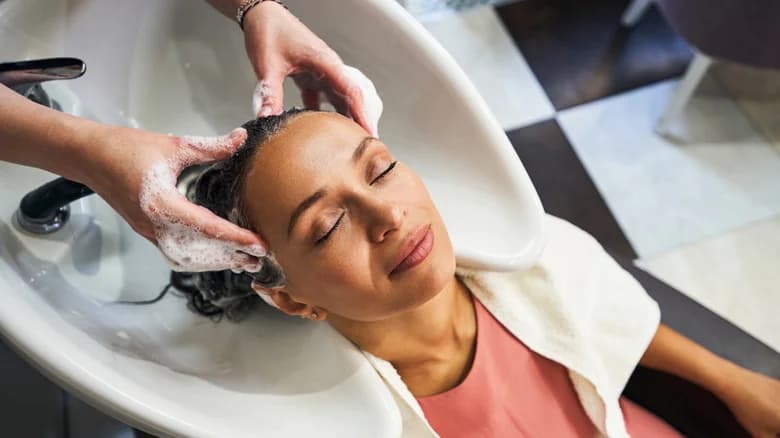
Your scalp is the soil your hair grows from. Here's what a salon scalp treatment can and can't, do, explained simply.
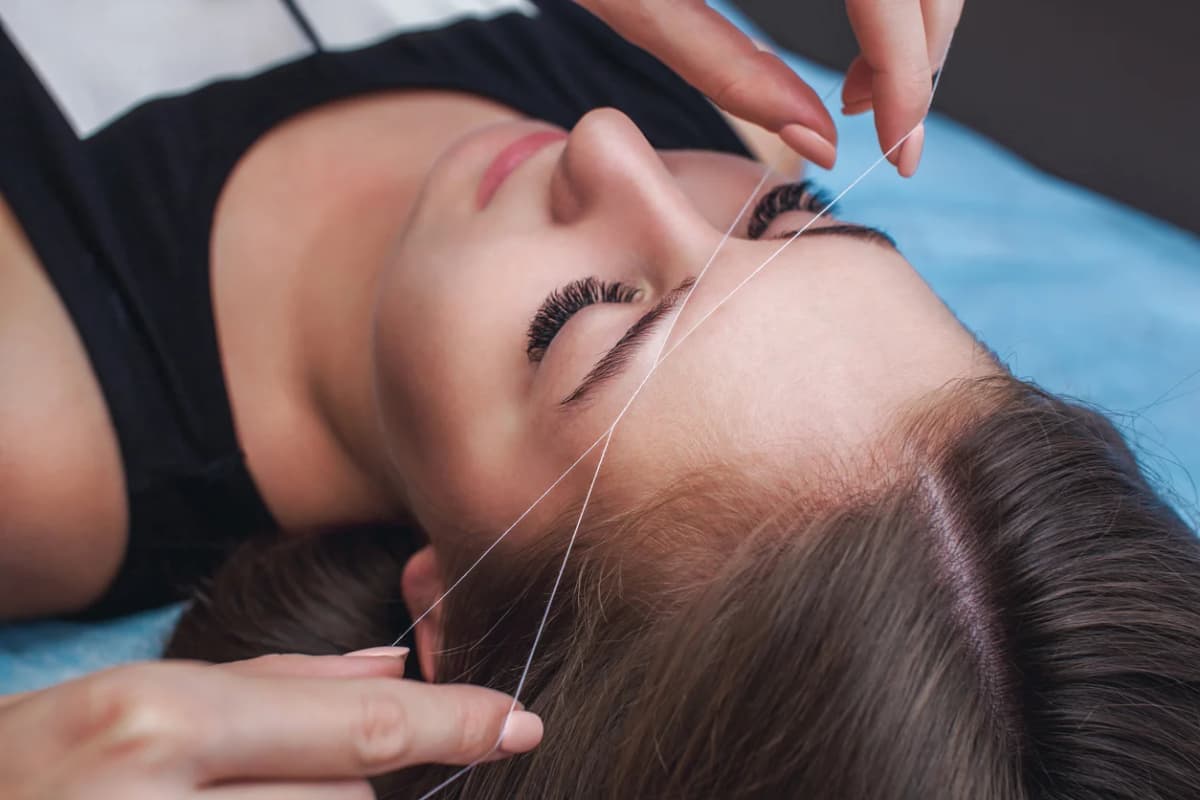
A friendly guide to the quick add-on treatments worth booking alongside your facial or hair appointment and how to get the best results.
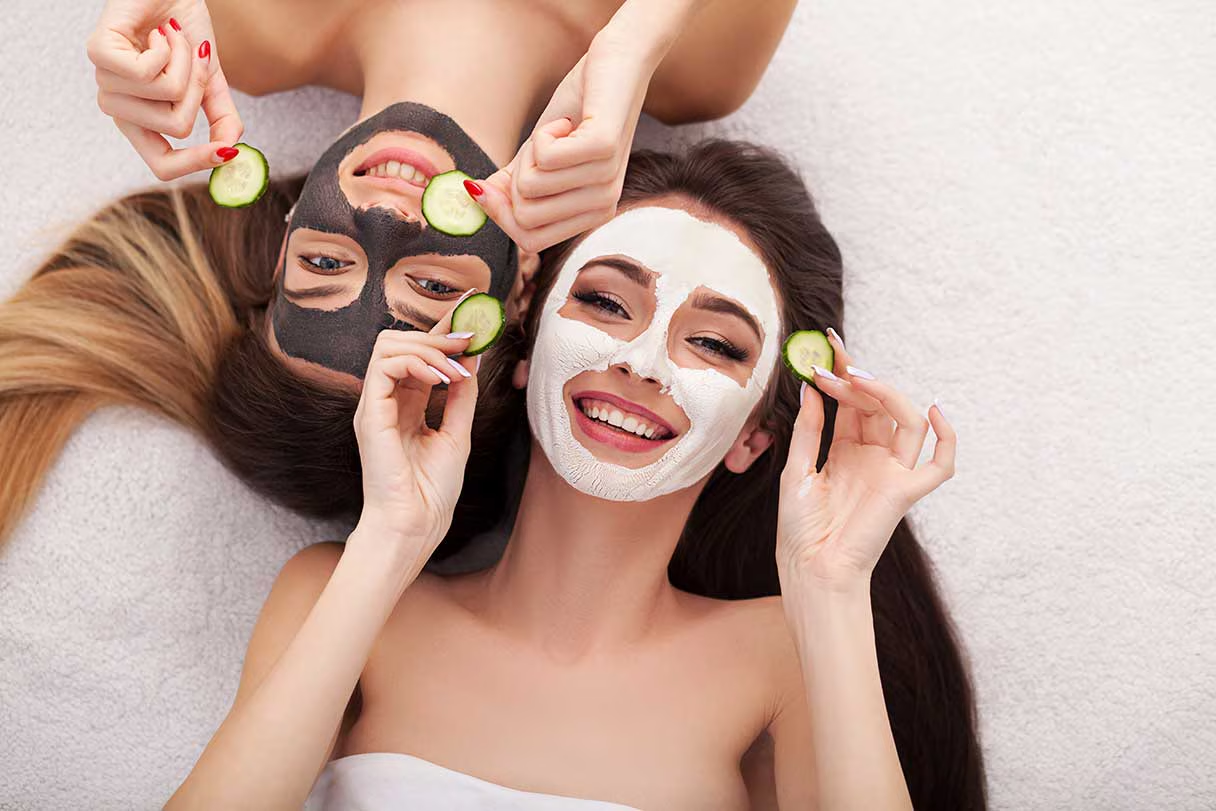
Your guide to professional facials and why your face deserves the very best care