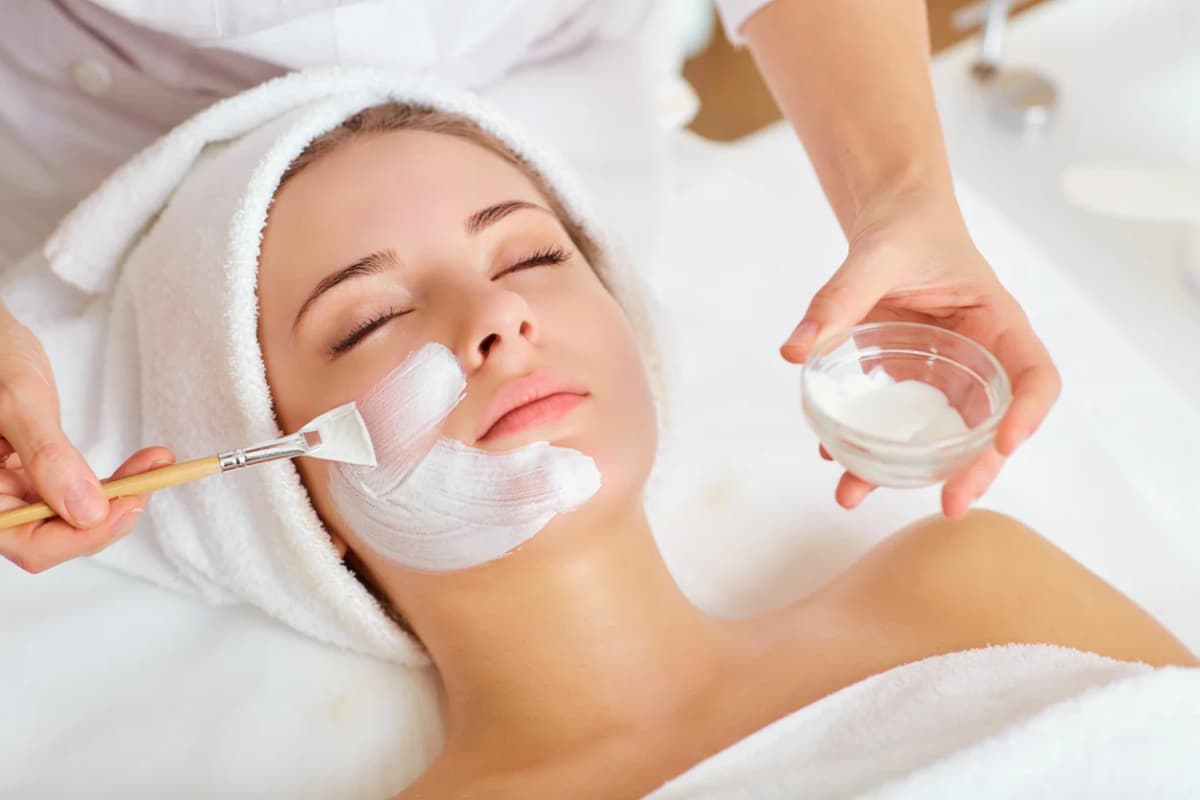
Facials 101: What a Facial Really Does and How to Choose the Right One
A clear, science-grounded guide to what facials do for your skin, the main types, how often to get them, and how to pick the right one.
A clear, science-grounded guide to what facials do for your skin, the main types, how often to get them, and how to pick the right one.
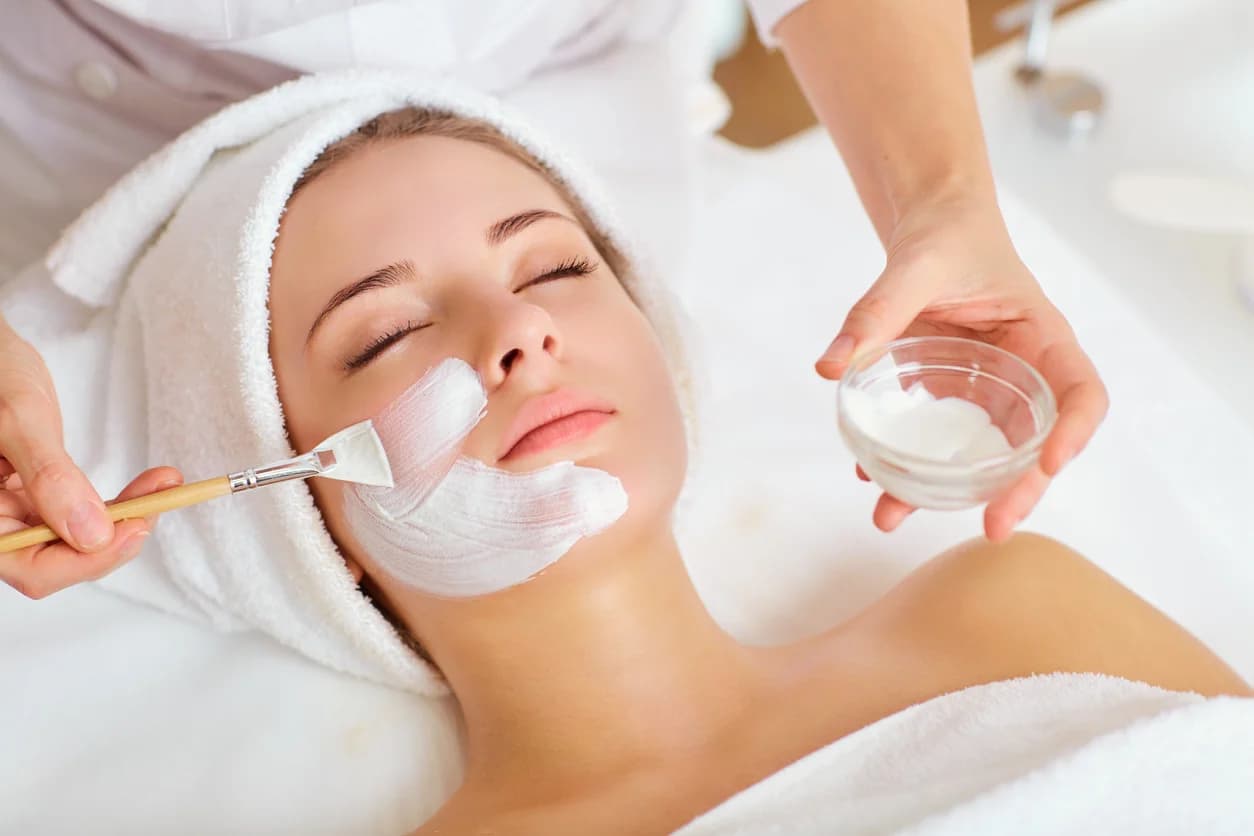
"Facial" is one of those words that covers an enormous range, from a 30-minute express clean-up to a targeted anti-ageing course. If you've ever stood in front of a salon menu unsure which to pick, this guide is for you. We'll explain, in plain language and grounded in skin science, what a facial actually does, the main types you'll encounter, how often to get one, and how to choose the right one for your skin and goals.
The short version
A good facial deep-cleanses, exfoliates, hydrates and treats your skin more thoroughly than a home routine can, and it's tailored to your skin by a trained professional.2
It works best as a partner to daily skincare (especially sunscreen), not a one-off miracle.3,5
Most people benefit from a facial every four to six weeks, roughly matching the skin's renewal cycle.1,4
The right facial depends on your skin type and concern, there's no single 'best' one.
To understand what a facial does, it helps to know what it's working on. Your skin's outermost layer, the stratum corneum, is often described as a 'brick wall': tough, flattened cells (the bricks) held together by a lipid mortar of ceramides, cholesterol and fatty acids. This barrier locks moisture in and keeps irritants out.2 Beneath it, new skin cells are constantly being made in the deeper epidermis and pushed upward, shedding from the surface in a cycle that takes roughly 28 days in younger adults and longer with age.1
Almost everything a facial does, cleansing, exfoliating, hydrating, massaging, treating, is about supporting that barrier and that renewal cycle: clearing away buildup, encouraging fresh cells to surface, restoring moisture, and delivering targeted ingredients.
A classic facial typically follows a logical sequence, though the exact steps vary by treatment and skin type:
Cleansing to remove makeup, oil and grime, prepping the skin.2
Analysis, your therapist assesses your skin type and concerns to tailor the rest.
Exfoliation to lift dead surface cells, which can leave skin smoother and help products absorb better.2
Steam and extractions (where appropriate) to soften and clear clogged pores.
Massage to relax facial muscles and boost local circulation.6
Mask and treatment suited to your skin, hydrating, clarifying, brightening or soothing.
Moisturiser and sun protection to seal in the benefits.5
Done by a trained professional, this combination cleanses and hydrates more thoroughly than most home routines, and the personalisation is a big part of the value.3
Facials can improve hydration, smoothness, tone and the look of clarity, help manage congestion, and make your skincare work better through exfoliation and massage.3 The relaxation and the expert eye on your skin are real benefits too.
It's equally honest to say what a facial isn't. A single facial won't permanently erase wrinkles or deep pigmentation, and the evidence for some 'anti-ageing' claims is mixed.3 Think of facials as consistent, supportive care that keeps your skin in good condition, most powerful when paired with a daily routine and, above all, sunscreen.3,5
Type | What it focuses on | Good for |
|---|---|---|
Classic / hydrating facial | Cleanse, exfoliate, hydrate, glow | Maintenance, dull or dehydrated skin |
Clarifying / acne facial | Deep cleansing, extractions, oil control | Oily, congested, breakout-prone skin |
Brightening / de-tan facial | Exfoliation and pigment-targeting actives | Tan, uneven tone, dullness |
Anti-ageing facial | Firming, collagen-supporting actives, massage | Fine lines, mature skin |
Advanced facial | Peels, hydradermabrasion, LED, potent actives | Targeted concerns, faster results |
Soothing / sensitive facial | Gentle, barrier-calming care | Reactive, sensitive skin |
Advanced facials (chemical peels, hydradermabrasion, LED and similar) go a level deeper with clinically studied techniques, we cover those in their own dedicated articles.
Three questions make the choice simple:
What's your skin type? Oily and congested skin tends to love clarifying, extraction-focused facials; dry or dehydrated skin wants hydration; sensitive skin needs gentle, soothing care.4
What's your main concern right now? Dullness and tan point to brightening/de-tan; breakouts to clarifying; fine lines to anti-ageing or advanced treatments.
What's the occasion and timeline? A glow before an event is different from a long-term plan to fade pigmentation, the latter usually means a course of treatments.
If you're unsure, that's exactly what a consultation is for. A good therapist will read your skin and recommend honestly, sometimes that means a gentler treatment than you expected.
A facial every four to six weeks suits most people, because it roughly matches the skin's natural renewal cycle so each treatment builds on the last.1,4 Oily or acne-prone skin may benefit from slightly more frequent visits (every three to four weeks), while dry or sensitive skin often does better with more spacing (every six to eight weeks) to avoid over-stressing the barrier.4
Wear sunscreen daily, freshly exfoliated skin is more sun-sensitive, and sun protection underpins every skin goal.5
Keep a simple, consistent home routine so facials build on a good baseline.3
Be honest with your therapist about products, medications (e.g. retinoids) and sensitivities.
Don't over-exfoliate at home in the days around a facial.
Stay consistent, results come from regular care, not one visit.
"A facial will permanently fix wrinkles or pigmentation." One facial gives a refresh; lasting change to deeper concerns needs a course of treatment plus daily care, and the evidence for some anti-ageing claims is mixed.3
"More exfoliation means better skin." Over-exfoliating strips the barrier and causes irritation; restraint is part of good skin care.2
"Facials are only for women." They're unisex, men's (often oilier, regularly shaved) skin benefits too.
"You don't need sunscreen if you get facials." The opposite: sunscreen protects every result a facial gives you.5
"Redness after a facial means it went wrong." Mild, short-lived redness is normal, especially after extractions; it usually settles within hours.
A facial is a thorough, personalised reset for your skin, cleansing, renewing and treating it in ways a home routine can't quite match. The secret to loving the results is choosing the right type for your skin, getting them regularly, and backing them up with daily care and sun protection.
Not sure which facial suits you? Book a skin consultation at Diana & Dapper, we'll assess your skin type and concerns and recommend the treatment that genuinely fits, whether that's a classic glow facial or something more advanced.
1. SEER Training Modules (NCI). Layers of the Skin, epidermis, dermis and cell turnover. https://training.seer.cancer.gov/melanoma/anatomy/layers.html
2. Journal of Drugs in Dermatology. Skin Barrier Health: Regulation and Repair of the Stratum Corneum. https://jddonline.com/articles/skin-barrier-health-regulation-and-repair-of-the-stratum-corneum-and-the-role-of-over-the-counter-sk-S1545961616P1047X
3. GoodRx Health (medically reviewed). Are Facials Worth It? Benefits and What to Expect. https://www.goodrx.com/health-topic/dermatology/are-facials-worth-it
4. Healthline (medically reviewed). How Often Should You Get a Facial? https://www.healthline.com/health/beauty-skin-care/how-often-should-you-get-a-facial
5. American Academy of Dermatology. How to select a sunscreen / everyday skin care. https://www.aad.org/public/everyday-care/sun-protection/shade-clothing-sunscreen/how-to-select-sunscreen
6. Ahn et al. Comparative Effects of Facial Roller and Gua Sha Massage: a Randomized Controlled Trial. Journal of Cosmetic Dermatology, 2025. https://pmc.ncbi.nlm.nih.gov/articles/PMC12121324/
A note on this article
This article is for general education and is based on the cited scientific sources. It is not medical advice. Results vary by individual; for persistent acne, pigmentation, or any skin condition, please consult a qualified dermatologist. At Diana & Dapper we discuss your skin type and concerns before recommending any treatment, book a consultation to find what's right for you.
Ready to book?
Sainikpuri and Malkajgiri. Walk-ins always welcome — no appointment needed.
Browse all articles or explore by topic below.
A clear, science-grounded guide to what facials do for your skin, the main types, how often to get them, and how to pick the right one.
What a keratin treatment really does, who it suits, and how to decide, explained simply, backed by science.
A friendly, honest guide to hair smoothening, what it is, how it differs from keratin and rebonding, and how we keep it safe.

Your scalp is the soil your hair grows from. Here's what a salon scalp treatment can and can't, do, explained simply.
A friendly guide to the quick add-on treatments worth booking alongside your facial or hair appointment and how to get the best results.
Your guide to professional facials and why your face deserves the very best care