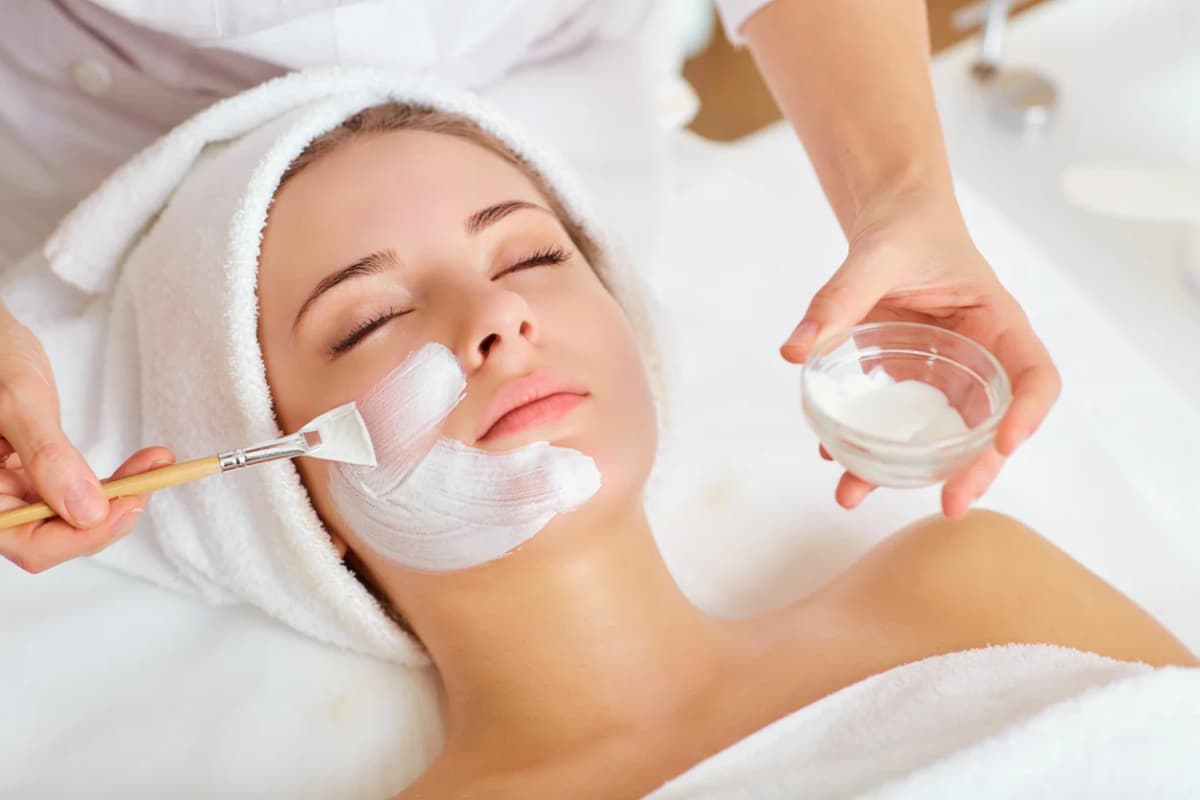
Facials 101: What a Facial Really Does and How to Choose the Right One
A clear, science-grounded guide to what facials do for your skin, the main types, how often to get them, and how to pick the right one.
A friendly, honest guide to hair smoothening, what it is, how it differs from keratin and rebonding, and how we keep it safe.
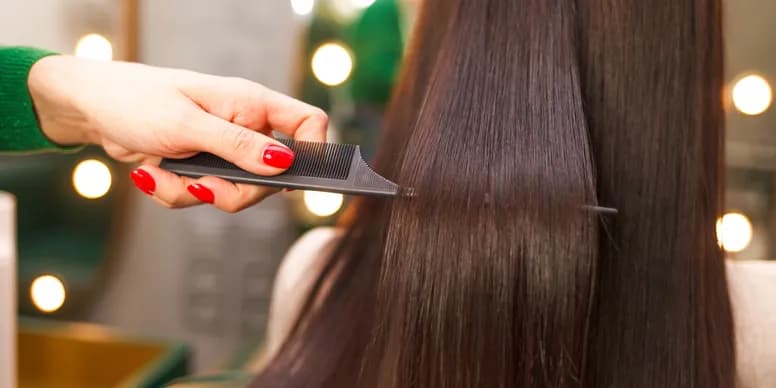
"Smoothening," "keratin," "rebonding," "straightening", walk into any salon and you'll hear these words used almost interchangeably, which makes it genuinely hard to know what you're signing up for. This guide clears it up in plain language, so you can decide whether hair smoothening is the right choice for you.
In one line
Hair smoothening makes frizzy, unruly hair softer, smoother and easier to manage while keeping a good amount of its natural texture, it's the middle ground between a light keratin treatment and full permanent straightening.3
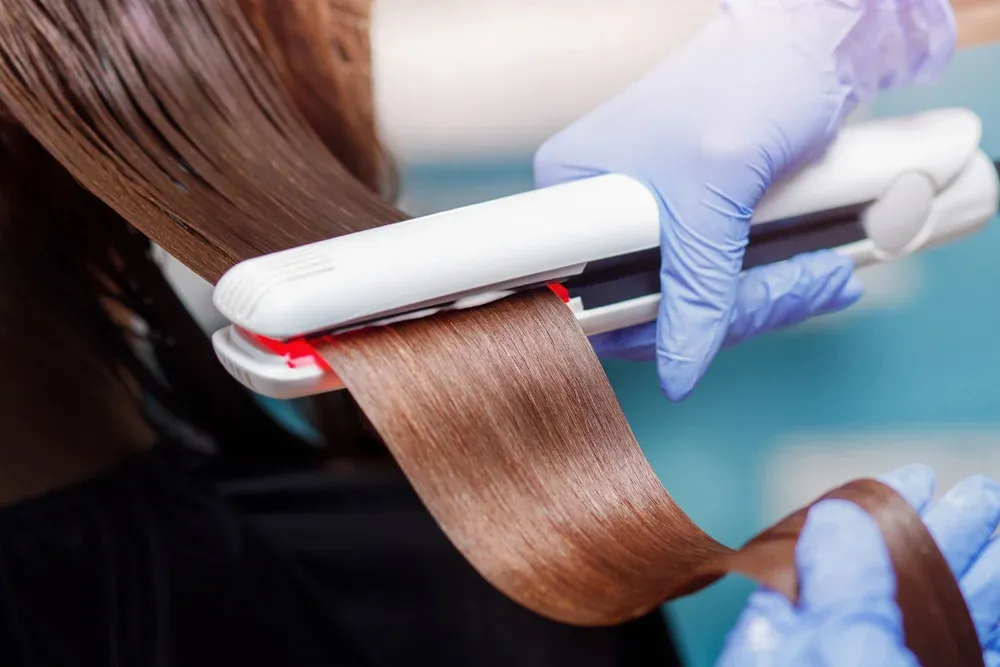
Hair smoothening is a semi-permanent treatment that relaxes frizz and softens texture. A smoothing solution is applied to your hair and then sealed in with a flat iron; the heat helps the product lay down a smoothing layer that tames the strand and reduces frizz.3 The effect lasts a few months and then fades gradually as new hair grows in.
The reason it's not permanent is rooted in hair biology. Your hair's lasting shape is held by strong internal links called disulfide bonds. Smoothening doesn't aggressively break and rebuild those bonds the way permanent straightening does. It mainly coats and softens, so your natural texture eases back over time rather than disappearing for good.1,2
Treatment | Best described as | What to expect |
|---|---|---|
Keratin treatment | A smoothing, frizz-fighting coating | Keeps the most natural movement; very shiny; 3–6 months3 |
Smoothening | A milder version of straightening | Softer, smoother, flatter than keratin but still natural-looking; a few months3 |
Rebonding | Permanent chemical straightening | Pin-straight and sleek; permanent on treated hair; needs regrowth touch-ups2,3 |
A useful way to think about it: keratin is the gentlest and keeps the most bounce, rebonding is the most dramatic and most permanent, and smoothening sits comfortably in between, great if you want sleeker, calmer hair without committing to poker-straight results.
Smoothening tends to be a great fit if you:
Have frizzy, wavy or unmanageable hair that fights you every morning.3
Want smoother, softer, more polished hair but still like some natural texture.
Are tired of long blow-dry-and-iron routines and want hair that's easier day to day.
Live somewhere humid (hello, Hyderabad) where frizz returns the moment you step outside.
It may not be the right pick if you want truly permanent, completely straight hair, that's rebonding or if your hair is already heavily processed, bleached or damaged, in which case adding another chemical service can risk breakage and we'd talk you through gentler options first.3
Hair smoothening generally lasts a few months, fading gradually rather than all at once. As your hair grows, the natural texture returns at the roots, so there's no harsh line and how long it lasts depends a lot on your aftercare, especially the shampoo you use and how often you wash.3,6
Aftercare made simple
Wait before washing, traditionally about 48–72 hours, so the smoothing sets. Avoid tying, clipping or tucking hair behind your ears in this window.6
Use a sulfate-free, salt-free shampoo. Sulfates and salt strip the smoothing layer and shorten your results. This is the most important step.6
Go easy on heat, use a heat protectant when you do style, and avoid chlorine and salt water.6
Sleep on silk or satin to reduce friction and keep the finish smooth.6
It's worth understanding the one safety topic that comes up with all smoothing services: some products contain formaldehyde, or ingredients that release it when heated, which can irritate the eyes, nose and throat. The U.S. FDA advises people to read labels and ask what's in the product being used.4 Newer 'formaldehyde-free' formulas exist, though it's worth knowing that not every product lives up to that label, and even formaldehyde-free chemistry isn't entirely without its own considerations.
The reassuring part is that these risks are largely about product choice and technique, both of which a careful salon controls.4,5
How we keep smoothening safe at Diana & Dapper
We talk first. We review your hair and scalp history before recommending anything.
We're transparent about products. We'll tell you what we're using and why, and offer gentler / formaldehyde-free options where appropriate.4
We work in a ventilated space and use controlled technique during the heat step, which is the highest-exposure phase.5
We patch-test and screen for allergies, scalp issues, pregnancy and heavily damaged hair, and we'll honestly tell you if smoothening isn't right for you.4
If you've never had it done, here's the typical flow so you know what to expect:
Consultation. We assess your hair type, condition and history, and confirm smoothening is the right choice for your goals.
Wash and prep. Hair is cleansed (often with a clarifying shampoo) to prepare the cuticle.
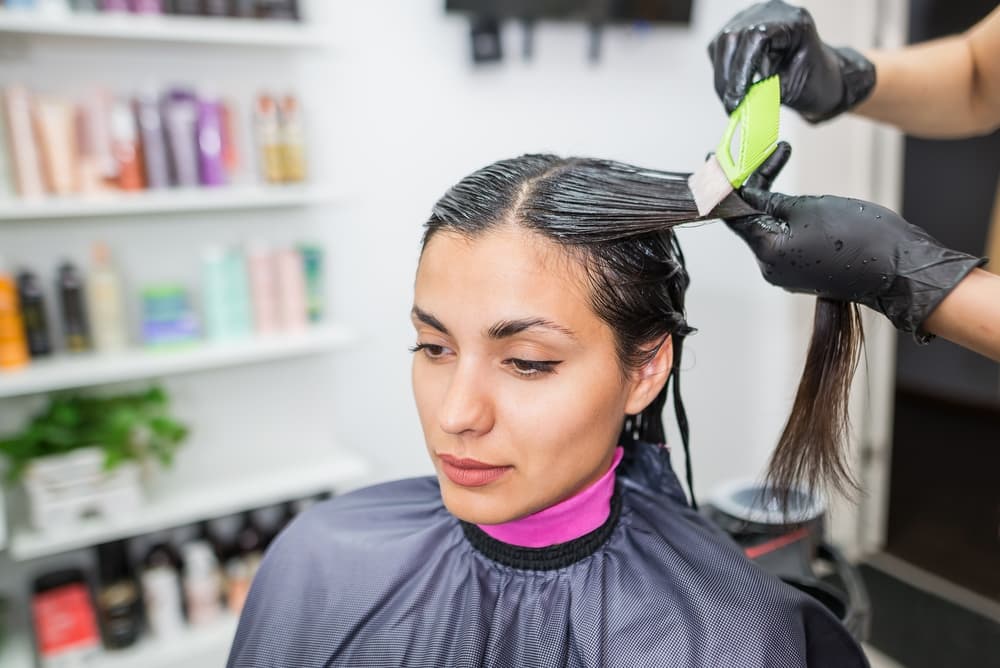
Application. The smoothing solution is applied section by section and left to process.
Blow-dry and flat-iron sealing. Hair is dried and sealed in small sections with heat. This sets the smooth finish.3
Finish and aftercare brief. We style it out and explain exactly how to care for it.
Set aside a couple of hours or more depending on your hair's length and density. It's a comfortable, low-effort appointment for you.
"Smoothening and keratin are the same thing." They're related but not identical, keratin keeps more natural movement and focuses on shine and frizz, while smoothening flattens texture a little more.3
"Smoothening is permanent." It isn't. It lasts a few months and fades gradually as new hair grows; only rebonding and relaxers permanently change treated hair.3
"One treatment will ruin my hair." A single, well-done treatment on suitable hair is generally low-to-moderate impact; problems come from over-processing, doing it on already-damaged hair, or poor technique, which is exactly what a careful salon avoids.3
"It's only for women." Smoothening is unisex; men with frizzy, thick hair use it too.
In the Indian market, hair smoothening typically costs less than full rebonding and varies mainly with hair length, density and the product used, commonly in the region of a few thousand rupees upward.7 The most reliable way to get an accurate price is a quick consultation, because length and condition genuinely change both the price and the right approach for your hair.
Honest expectations are part of a happy outcome. After smoothening, most people see frizz drop dramatically, hair feel softer and look glossier, and daily styling get much faster. Many can air-dry and go. What it won't do is turn very curly hair permanently poker-straight (that's rebonding) or 'repair' damage at a structural level. Think of it as months of calmer, easier, better-behaved hair rather than a permanent transformation.3 As the months pass, your natural texture gradually returns from the roots, giving you a natural window to decide whether to repeat it.
A little planning makes the result last longer and look better:
Time it well. If you colour your hair, your stylist will advise on spacing colour and smoothening so neither compromises the other.
Invest in the right shampoo from day one, sulfate-free and salt-free is non-negotiable for protecting the smoothing layer.6
Build a gentle routine: less frequent washing, a lightweight conditioner on ends, minimal heat, and a silk or satin pillowcase.6
Come in for honest check-ins. If your hair is showing wear, the right move may be a nourishing treatment rather than another chemical service straight away.
Hair smoothening is an excellent choice if you want calmer, smoother, more manageable hair without going fully straight or permanent. The secret to loving it is the same as with any chemical service: a safe product, a careful salon, and good aftercare.
Not sure whether smoothening, keratin or rebonding is right for you? Book a consultation at Diana & Dapper, we'll look at your hair, explain your options honestly, and help you choose the one you'll be happiest with.
1. Cloete E et al. The what, why and how of curly hair: a review. PMC, 2019. https://pmc.ncbi.nlm.nih.gov/articles/PMC6894537/
2. Healthline. Japanese hair straightening, hydrogen and disulfide bonds. https://www.healthline.com/health/beauty-skin-care/japanese-hair-straightening
3. Jawed Habib. Smoothening vs rebonding vs keratin treatment (consumer comparison). https://jawedhabiblucknow.in/blog/hair-rebonding/86-smoothening-vs-rebonding-vs-keratin-treatment
4. U.S. FDA. Hair Smoothing Products That Release Formaldehyde When Heated (updated 2024). https://www.fda.gov/cosmetics/cosmetic-products/hair-smoothing-products-release-formaldehyde-when-heated
5. OSHA. Hair Salons: Facts about Formaldehyde in Hair Products. https://www.osha.gov/hair-salons
6. Inova Professional / Pure Keratin. Aftercare: sulfate-free shampoo and the 72-hour rule. https://inovaprofessional.com/blogs/blog/why-using-sulfate-free-shampoo-is-crucial-after-your-keratin-treatment
7. Naomi's Head Masters / Oliva Clinic. Hair smoothening and keratin cost in India. https://naomisheadmasters.com/hair-smoothening-price-in-india/
A note on this article
This article is for general education and is based on the cited scientific and regulatory sources. It is not medical advice. Results vary by individual; for any medical scalp or hair condition, please consult a qualified dermatologist. At Diana & Dapper we are happy to discuss your hair and scalp history before recommending any service, book a consultation to learn what is right for you.
Ready to book?
Sainikpuri and Malkajgiri. Walk-ins always welcome — no appointment needed.
Browse all articles or explore by topic below.
A clear, science-grounded guide to what facials do for your skin, the main types, how often to get them, and how to pick the right one.
What a keratin treatment really does, who it suits, and how to decide, explained simply, backed by science.
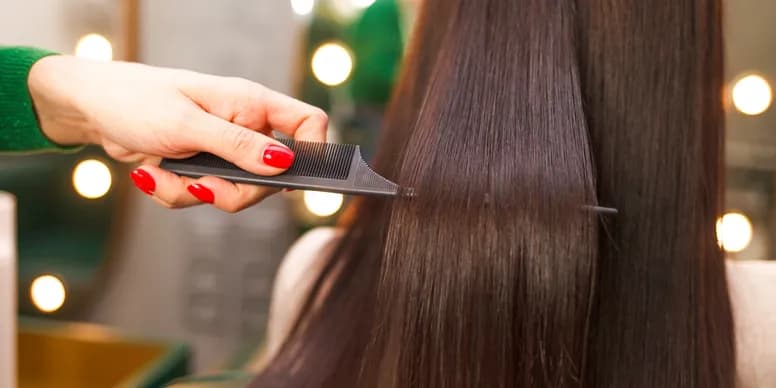
A friendly, honest guide to hair smoothening, what it is, how it differs from keratin and rebonding, and how we keep it safe.
Your scalp is the soil your hair grows from. Here's what a salon scalp treatment can and can't, do, explained simply.
A friendly guide to the quick add-on treatments worth booking alongside your facial or hair appointment and how to get the best results.
Your guide to professional facials and why your face deserves the very best care