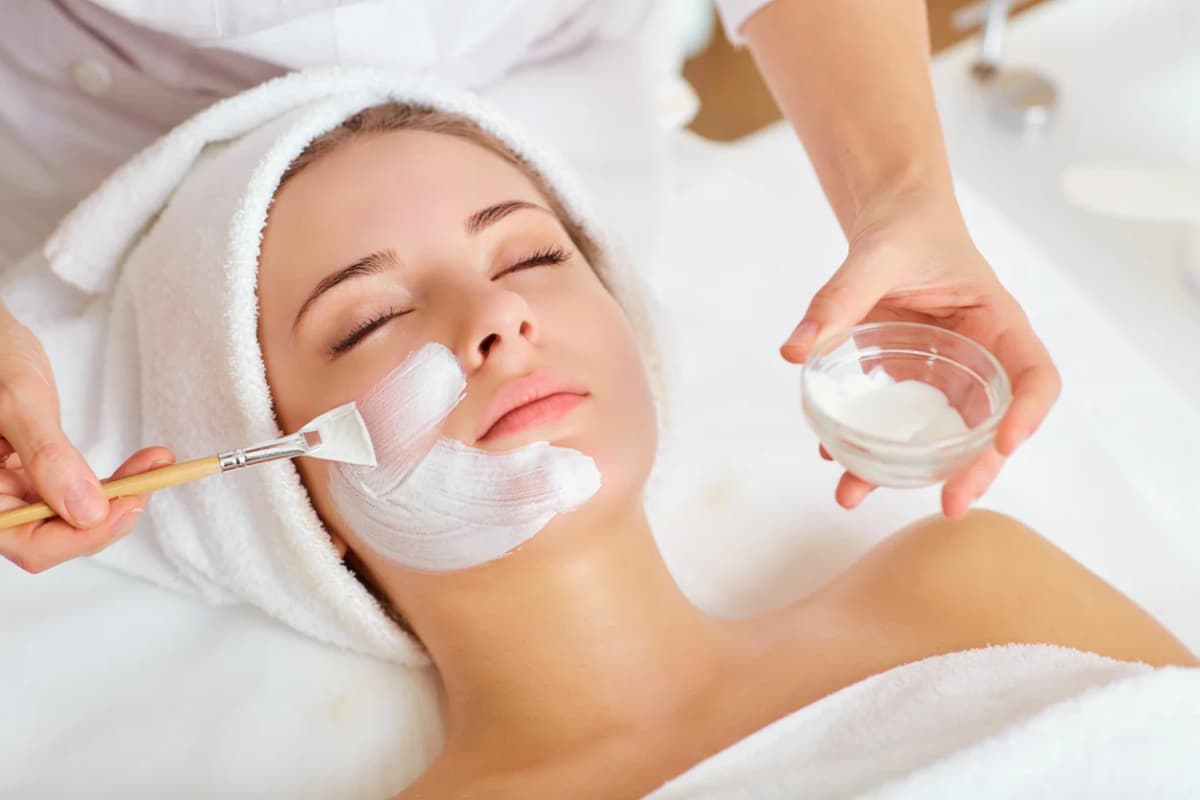
Facials 101: What a Facial Really Does and How to Choose the Right One
A clear, science-grounded guide to what facials do for your skin, the main types, how often to get them, and how to pick the right one.
How often facials really work, why, and the aftercare that makes results last, tailored to your skin type and goals.
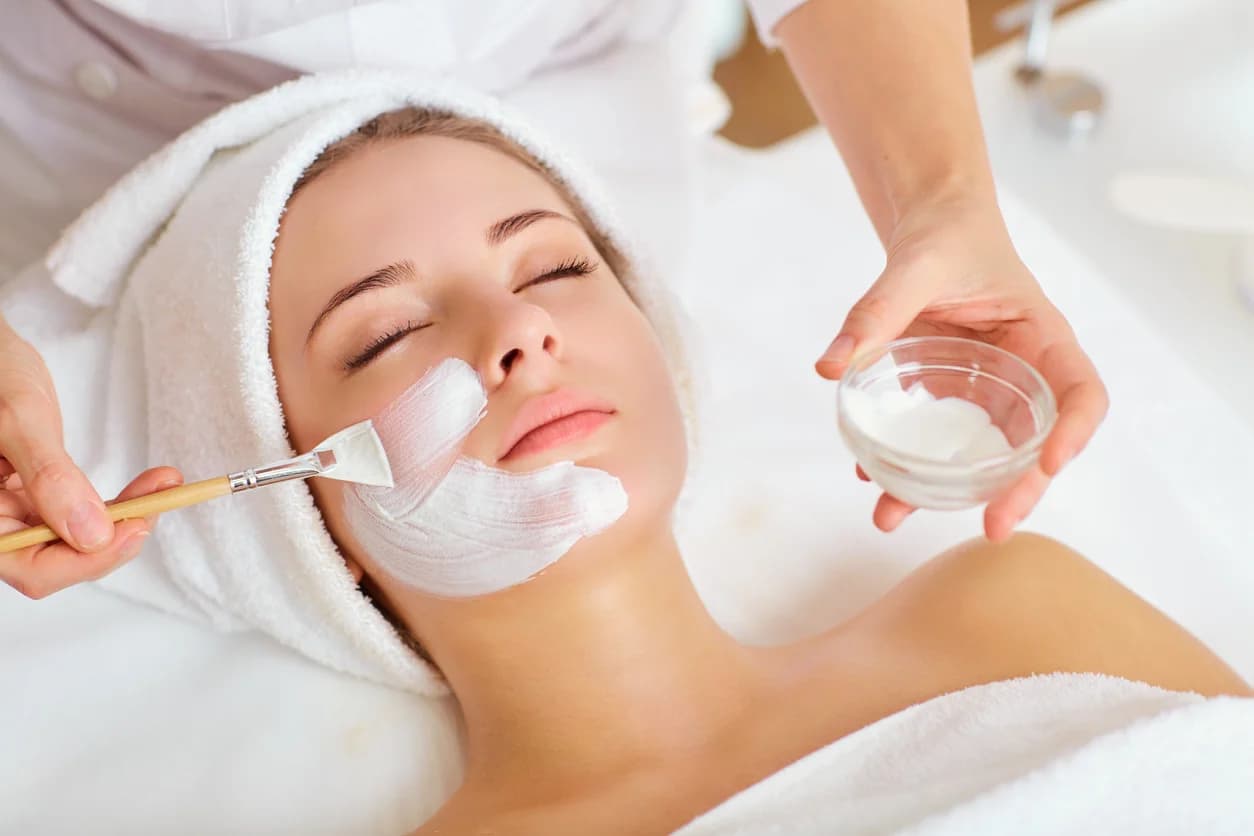
Two questions decide whether you actually see results from facials: how often you get them, and what you do between appointments. Get these right and a facial becomes a genuinely effective part of your skincare; get them wrong and you're paying for a pleasant hour with little lasting benefit. Here's the evidence-based answer, tailored to skin type and goals.
Most dermatology guidance lands on a facial every four to six weeks for the average person. The reason is biological: your skin renews itself on a cycle of roughly 28 days in younger adults (longer with age), so spacing facials to that rhythm means each treatment works on freshly turned-over skin and builds on the last.1,2 More often isn't automatically better, over-treating can stress the skin barrier rather than help it.4
Skin / goal | Suggested frequency | Why |
|---|---|---|
Oily / acne-prone | Every 3–4 weeks | Regular deep cleansing and extractions curb buildup2 |
Normal / maintenance | Every 4–6 weeks | Matches the skin renewal cycle1,2 |
Dry / sensitive | Every 6–8 weeks | More spacing protects the barrier from over-stress2,4 |
Mature / anti-ageing | Around monthly | Consistent support for tone and texture2 |
Targeted course (e.g. pigmentation, acne) | As prescribed (often a set series) | Cumulative results need a planned series3 |
These are starting points, not rules. Skin changes with season, stress, hormones and age, so the ideal cadence is best set and revisited, with your therapist.2
A facial exfoliates, hydrates and treats your skin, often leaving the surface freshly renewed and temporarily more vulnerable. What you do in the hours and days afterward protects that investment. Good aftercare also extends the glow and reduces the chance of irritation or breakouts.3,4
Wear broad-spectrum sunscreen daily. Freshly exfoliated skin is more sun-sensitive, and sun protection is the single most evidence-backed step for protecting tone and preventing pigmentation.5
Keep it gentle for a few days. Pause strong actives and home exfoliants (scrubs, high-strength acids, retinoids) right after a facial to avoid over-stressing the barrier.4
Hydrate and don't over-wash. Support the barrier with a simple moisturiser; avoid hot water and harsh cleansers immediately after.4
Hands off extractions. If you had extractions, resist touching or picking, let the skin settle.
Skip heavy makeup for the rest of the day where you can, to let skin breathe.
Stay consistent with a daily routine so each facial builds on a good baseline.6
Right: skin looks clearer and more even over a few months, feels comfortable, and tolerates treatments well.
Too frequent / too aggressive: persistent redness, tightness, stinging, increased sensitivity or breakouts, signs the barrier is being over-stressed.4
Too infrequent: congestion and dullness creep back well before your next visit.
If you notice the 'too frequent' signs, the answer is usually to space treatments out and simplify, not to push harder.
If it's your first professional facial, a little context helps you relax and get more from it. Expect a short consultation about your skin and any products or medications you use, followed by cleansing, analysis, exfoliation, possibly steam and extractions, a massage, a mask, and a moisturiser-and-sunscreen finish.3 Mild redness afterward is normal and usually settles within a few hours; if you had extractions, small spots of temporary redness can linger a little longer. Plan the appointment for a day when you won't need heavy makeup straight after, and ideally not the day before a big event, give your skin a buffer so it looks its calmest.
Skin isn't static, and neither should your facial rhythm be. In hot, humid months skin often produces more oil and picks up more grime and tan, so slightly more frequent clarifying or de-tan-focused care can help. In cooler, drier spells the barrier is more easily dehydrated, so leaning toward hydrating, gentler treatments and sometimes spacing them out a touch, keeps skin comfortable.2,4 The underlying renewal cycle stays roughly the same; what changes is the emphasis. A quick check-in at each visit lets your therapist adjust the plan to the season and to how your skin is actually behaving.
Facials are maintenance, and consistency is where the value lies. A single facial gives a lovely short-term refresh; visible, lasting improvement in tone and texture comes from a regular rhythm matched to your skin, supported by daily care and sunscreen.3,6 For deeper concerns, significant pigmentation, active acne, ageing, facials work best alongside targeted treatments and, where needed, a dermatologist's input.6
For most people, weekly facials are more than the skin needs and can over-stress the barrier. Every four to six weeks suits the average person; certain targeted courses may be scheduled more closely under professional guidance.2,4
Ideally give your skin the rest of the day before heavy makeup, so it can settle and breathe. If you must, keep it light.3
Leave a buffer of a few days rather than going the day before, so any temporary redness (especially after extractions) has time to calm and your skin looks its best.
Occasionally, skin can purge mildly after extractions or active treatments; this usually settles. Persistent or worsening breakouts are worth raising with your therapist or a dermatologist.3
Aim for a facial every four to six weeks as a baseline, adjust for your skin type and goals, and treat aftercare, especially sunscreen, as part of the treatment rather than an afterthought. That's how facials go from a nice treat to a genuinely effective habit.
Want a frequency and aftercare plan built around your skin? Book a consultation at Diana & Dapper and we'll map out a simple, realistic routine that gets you the most from every visit.
1. SEER Training Modules (NCI). Layers of the Skin and cell turnover (~28 days). https://training.seer.cancer.gov/melanoma/anatomy/layers.html
2. Healthline (medically reviewed). How Often Should You Get a Facial? https://www.healthline.com/health/beauty-skin-care/how-often-should-you-get-a-facial
3. GoodRx Health (medically reviewed). Are Facials Worth It? Benefits and What to Expect. https://www.goodrx.com/health-topic/dermatology/are-facials-worth-it
4. Journal of Drugs in Dermatology. Skin Barrier Health: the Stratum Corneum. https://jddonline.com/articles/skin-barrier-health-regulation-and-repair-of-the-stratum-corneum-and-the-role-of-over-the-counter-sk-S1545961616P1047X
5. American Academy of Dermatology. How to select a sunscreen. https://www.aad.org/public/everyday-care/sun-protection/shade-clothing-sunscreen/how-to-select-sunscreen
6. TIME / dermatology experts. Are Facials Good For the Skin? https://time.com/5047587/facial-spa-skin-care/
A note on this article
This article is for general education and is based on the cited scientific sources. It is not medical advice. Results vary by individual; for persistent acne, pigmentation or any skin condition, consult a qualified dermatologist. At Diana & Dapper we tailor facial frequency and aftercare to your skin, book a consultation to build your plan.
Ready to book?
Sainikpuri and Malkajgiri. Walk-ins always welcome — no appointment needed.
Browse all articles or explore by topic below.
A clear, science-grounded guide to what facials do for your skin, the main types, how often to get them, and how to pick the right one.
What a keratin treatment really does, who it suits, and how to decide, explained simply, backed by science.
A friendly, honest guide to hair smoothening, what it is, how it differs from keratin and rebonding, and how we keep it safe.

Your scalp is the soil your hair grows from. Here's what a salon scalp treatment can and can't, do, explained simply.
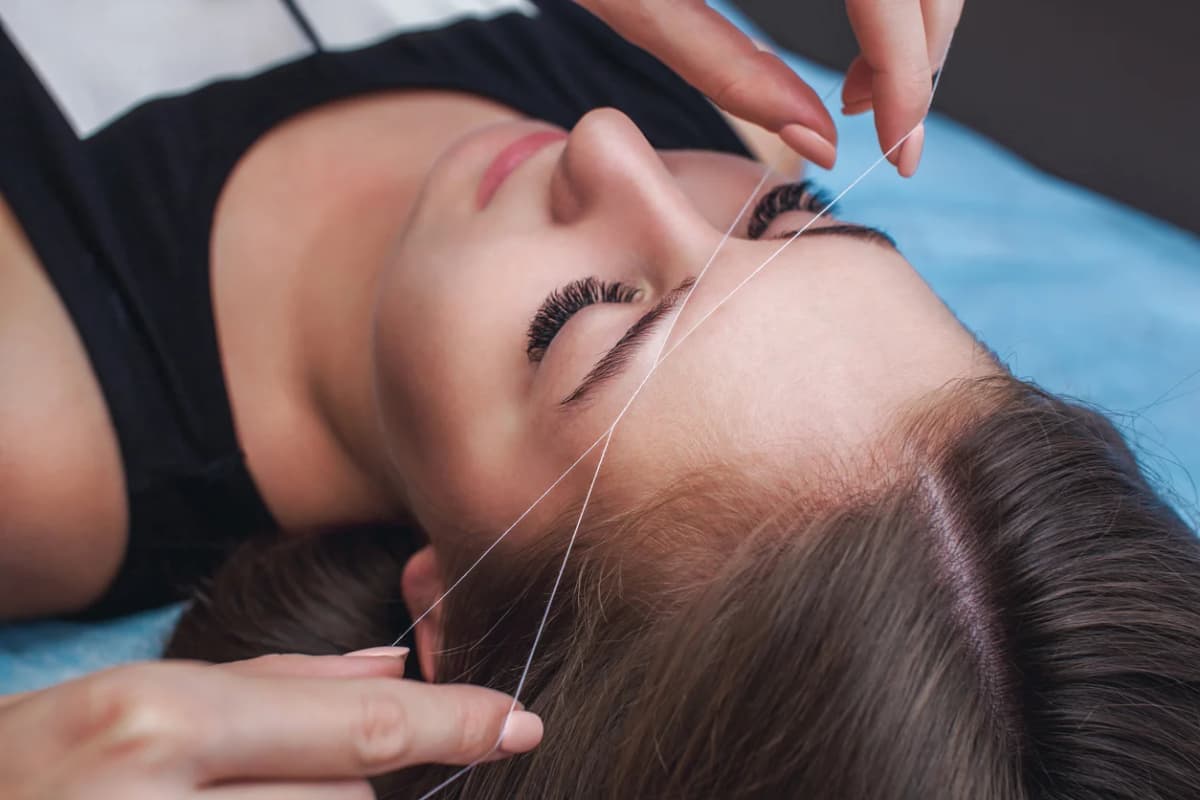
A friendly guide to the quick add-on treatments worth booking alongside your facial or hair appointment and how to get the best results.
Your guide to professional facials and why your face deserves the very best care