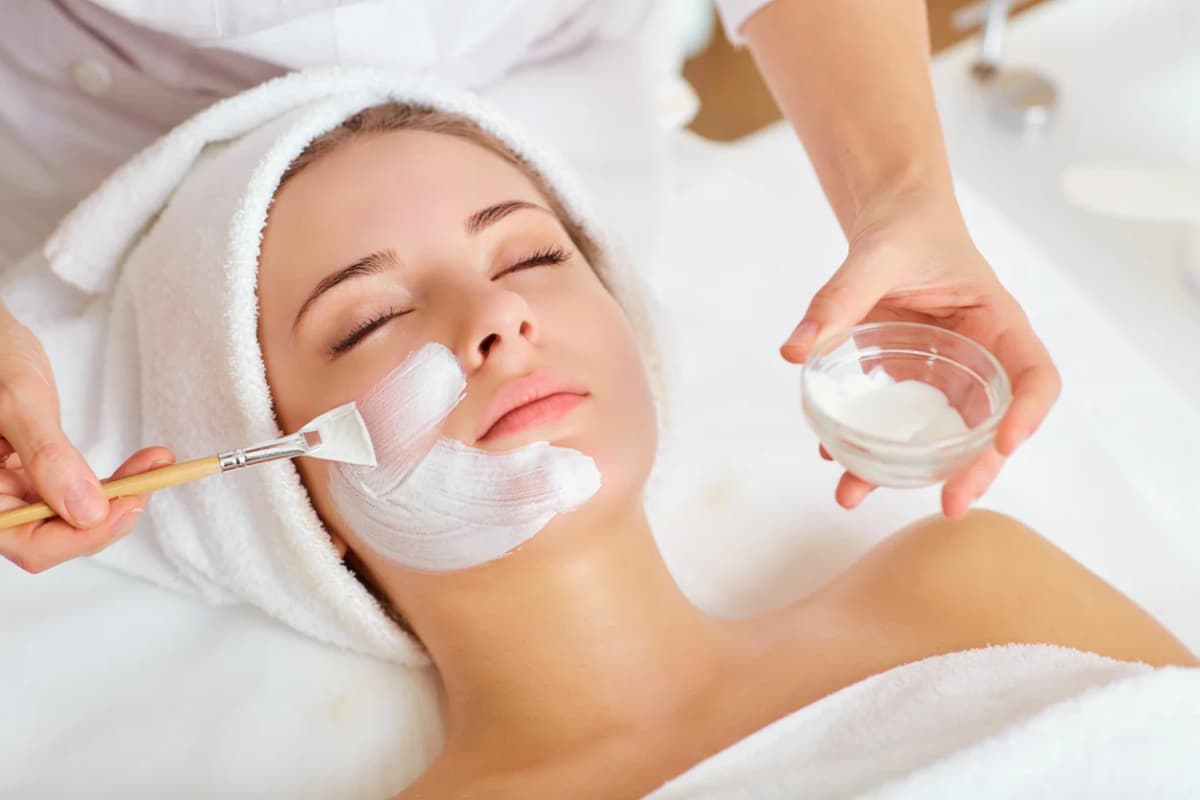
Facials 101: What a Facial Really Does and How to Choose the Right One
A clear, science-grounded guide to what facials do for your skin, the main types, how often to get them, and how to pick the right one.
A complete, evidence-based guide to scalp treatments, what they include, who they help, and how to know when you need medical care.
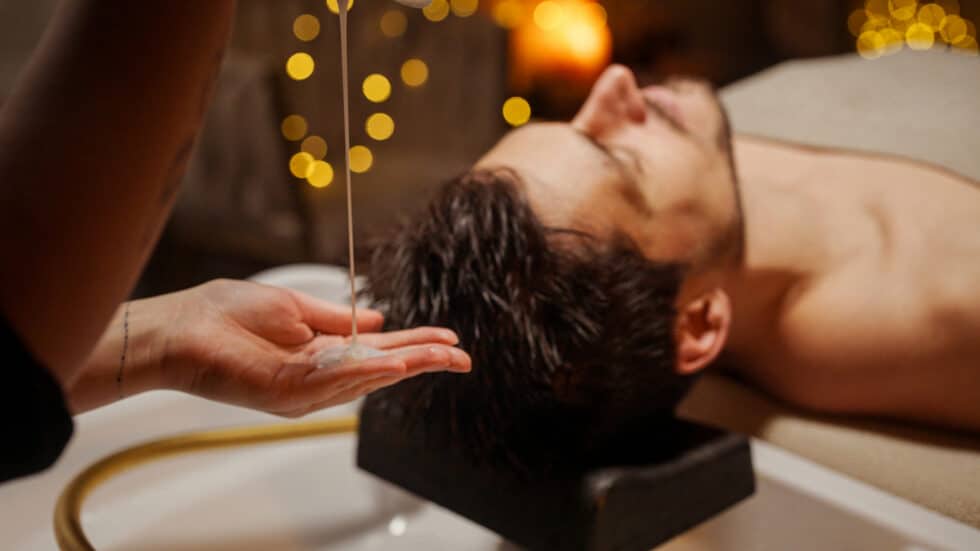
If you've searched for a scalp treatment, you've probably met a wall of jargon, scalp detox, scalp facial, hair rejuvenation, scaling and very little clarity on what actually helps. This guide breaks it all down: what scalp treatments are, the conditions they address, what the evidence supports, what they cost, and the clear signs that mean you should see a dermatologist instead.
Your scalp is the skin your hair grows from, packed with hair follicles and oil glands and home to a microbiome that, when balanced, keeps things healthy. When buildup, excess oil or microbial imbalance set in, the result is flaking, itch, oiliness and discomfort and hair that looks duller and feels heavier.1,2 Caring for the scalp is simply caring for the foundation of your hair.
Treatment | What it involves | Mainly helps with |
|---|---|---|
Scalp cleanse / detox | Deep cleansing to remove oil, sweat and product buildup | Congestion, oiliness, heaviness1 |
Scalp exfoliation / scaling | Lifting dead skin and buildup from the scalp surface | Flaking, buildup, dull scalp1 |
Scalp massage | Stimulating massage, often with serums or oils | Relaxation; preliminary thickness benefit6 |
Anti-dandruff / soothing | Targeted actives (e.g. ketoconazole, zinc pyrithione, tea tree) | Dandruff, itch, flaking4,5 |
Scalp facial (bundle) | Cleanse + exfoliate + massage + serum/mask, sometimes LED | Overall comfort and maintenance1,6 |
Hair rejuvenation (clinical) | LLLT, microneedling, PRP, medical procedures | Pattern hair loss (varied evidence)10,11,12 |
Dandruff / seborrheic dermatitis, driven by a scalp yeast, sebum and individual sensitivity (not just dryness). Proven actives include ketoconazole, zinc pyrithione and tea tree oil.3,4,5
Oily scalp and buildup, managed with appropriate cleansing and periodic clarifying.1
Dry, tight scalp, often from over-washing or weather; needs gentler, more hydrating care.3
Itchiness. A symptom of several issues; persistent itch with flaking or pustules warrants medical review.3,7
Scalp psoriasis and folliculitis, these are medical conditions (managed by a dermatologist), not salon services, though we can recognise them and refer you.7,8
Being honest about evidence is the best way to choose well:
Strong: anti-dandruff actives (ketoconazole, zinc pyrithione, tea tree oil) for flaking and itch.4,5
Promising but preliminary: scalp massage for hair thickness, safe and plausible, not a guaranteed regrowth treatment.6
Real but heterogeneous (and clinical): LLLT, microneedling and PRP for pattern hair loss, best assessed and delivered in a medical setting.11,12
Honest limit: bundled salon 'scalp facials' lack dedicated high-quality trials as a bundle; they're for cleansing, comfort and maintenance, not curing hair loss.1,6
Salon scalp treatments vary with the type of treatment, products used, scalp condition and salon, so the most reliable figure comes from a consultation. As a rule of thumb, a basic scalp cleanse or detox sits at the affordable end, while multi-step scalp facials and a course of treatments cost more. Clinical hair-rejuvenation procedures (LLLT, microneedling, PRP) are a separate, higher-cost category delivered in medical settings. We'll give you a clear, condition-specific quote when we assess your scalp.
Match washing to your scalp type, oilier scalps more often, drier scalps less; shampoo the scalp, not just the lengths.1
Clarify periodically if you use lots of styling product.1
Be gentle, over-washing and harsh scrubbing irritate and dry the scalp.1
Support the basics, balanced diet and hydration; test for deficiencies before supplementing rather than guessing.13
Salon treatments work best alongside good daily habits. A sensible, evidence-aligned routine looks like this:
Cleanse to suit your scalp, apply shampoo to the scalp (not just the lengths), more often for oily scalps and less for dry ones.1
Use the right active for your concern, for example, an anti-dandruff shampoo with ketoconazole or zinc pyrithione if you flake, used as directed.4
Clarify periodically if you use lots of styling product, to clear buildup.1
Be gentle, avoid over-washing and harsh scrubbing, which dry and irritate the scalp.1
Mind the basics, balanced diet and hydration support scalp and hair; if you suspect a deficiency, get tested before supplementing.13
Think of this as routine maintenance between professional treatments, the same logic as caring for your skin between facials.
Scalp treatments are for comfort and condition. Book a dermatologist, not a salon, if you have any of these:
Sudden, patchy, or rapidly worsening hair loss, or any scarring loss.9,10
Painful or pus-filled bumps, spreading redness, or thick scaly plaques.7,8
Persistent severe itch, bleeding, or flaking that won't improve with proper care.3
Some shedding is normal and often temporary (for example, telogen effluvium after stress or illness usually settles on its own).9 But anything sudden, painful, patchy or persistent deserves medical assessment.
Knowing the flow helps you choose the right service. A typical session includes:
Scalp assessment, we check oiliness, flaking, sensitivity and buildup, and discuss your concerns.
Cleanse. A thorough, often clarifying wash to clear oil, sweat and product residue.1
Exfoliation, lifting dead skin and buildup from the scalp surface.1
Massage, relaxing, and supported by preliminary evidence on hair thickness.6
Targeted care, soothing or balancing serums or masks suited to your scalp, sometimes with steam.
Home-care advice, a simple routine to maintain results.
There's no single rule. It depends on your scalp type and goals. People with oilier scalps or heavy product use often benefit from more regular treatments; others use them periodically as maintenance alongside a good home routine. Because the hair growth cycle plays out over months, consistency matters more than occasional intensive sessions, so we'll suggest a realistic cadence rather than overselling frequency.
Usually not, it's mainly driven by a scalp yeast plus sebum and individual sensitivity, and it can occur on oily scalps.3
Preliminary research shows increased hair thickness with regular standardised massage; it's safe and plausible, but not a proven regrowth treatment.6
It supports scalp health and comfort and can complement medical care, but it cannot reverse genetic hair loss. That needs a dermatologist's treatment.10
It depends on your scalp and goals; many people benefit from periodic treatments as maintenance, alongside a good home routine. We'll suggest a sensible cadence for you.
Book a scalp consultation
At Diana & Dapper in Hyderabad, we assess your scalp, explain which treatment genuinely fits your concern, give you a clear quote, and tell you honestly if something needs a dermatologist instead. Healthy hair starts with a healthy scalp, let's take care of yours.
1. American Academy of Dermatology (AAD). Tips for healthy hair and scalp care. https://www.aad.org/public/everyday-care/hair-scalp-care/hair/healthy-hair-tips
2. Comparison of healthy and dandruff scalp microbiome: role of commensals. PMC, 2018. https://pmc.ncbi.nlm.nih.gov/articles/PMC6180232/
3. Seborrheic dermatitis and dandruff: a comprehensive review. PMC, 2015. https://pmc.ncbi.nlm.nih.gov/articles/PMC4852869/
4. Multicenter RCT of ketoconazole 2% and zinc pyrithione 1% shampoos. PubMed, 2002. https://pubmed.ncbi.nlm.nih.gov/12476017/
5. Satchell AC et al. Treatment of dandruff with 5% tea tree oil shampoo. JAAD, 2002. https://pubmed.ncbi.nlm.nih.gov/12451368/
6. Koyama T et al. Standardized scalp massage increases hair thickness. Eplasty, 2016. https://pmc.ncbi.nlm.nih.gov/articles/PMC4740347/
7. Bacterial folliculitis. DermNet NZ. https://dermnetnz.org/topics/bacterial-folliculitis
8. Management of scalp psoriasis: current perspectives. PMC, 2017. https://pmc.ncbi.nlm.nih.gov/articles/PMC5683126/
9. Telogen Effluvium. StatPearls (NCBI), 2023. https://www.ncbi.nlm.nih.gov/books/NBK430848/
10. Medical and procedural treatment of androgenetic alopecia. JAAD, 2023. https://www.jaad.org/article/S0190-9622(23)00768-5/fulltext
11. Systematic review of low-level laser therapy devices for pattern hair loss. PMC, 2021. https://pmc.ncbi.nlm.nih.gov/articles/PMC8675345/
12. PRP for androgenetic alopecia: systematic review and meta-analysis. PubMed, 2023. https://pubmed.ncbi.nlm.nih.gov/37533146/
13. Almohanna HM et al. The role of vitamins and minerals in hair loss. Dermatol Ther, 2019. https://pmc.ncbi.nlm.nih.gov/articles/PMC6380979/
A note on this article
This article is for general education and is based on the cited scientific and regulatory sources. It is not medical advice. Results vary by individual; for any medical scalp or hair condition, please consult a qualified dermatologist. At Diana & Dapper we are happy to discuss your hair and scalp history before recommending any service, book a consultation to learn what is right for you.
Ready to book?
Sainikpuri and Malkajgiri. Walk-ins always welcome — no appointment needed.
Browse all articles or explore by topic below.
A clear, science-grounded guide to what facials do for your skin, the main types, how often to get them, and how to pick the right one.
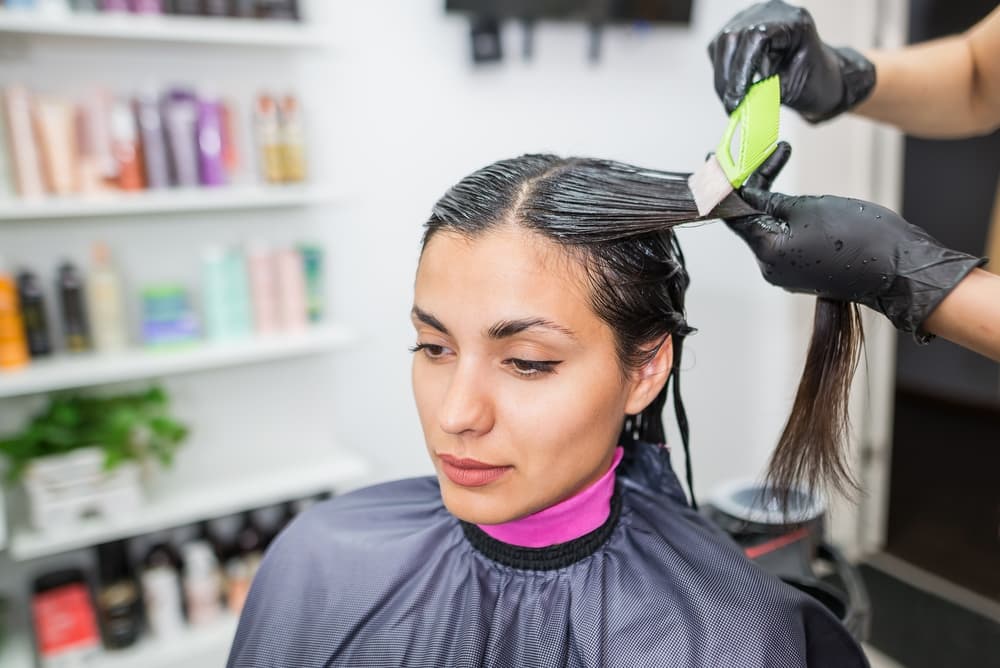
What a keratin treatment really does, who it suits, and how to decide, explained simply, backed by science.
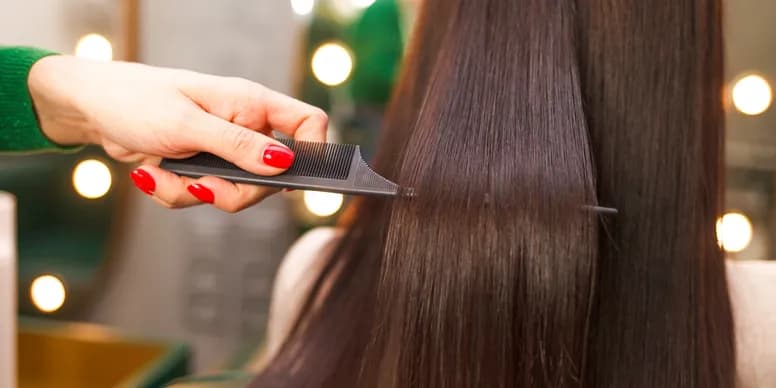
A friendly, honest guide to hair smoothening, what it is, how it differs from keratin and rebonding, and how we keep it safe.
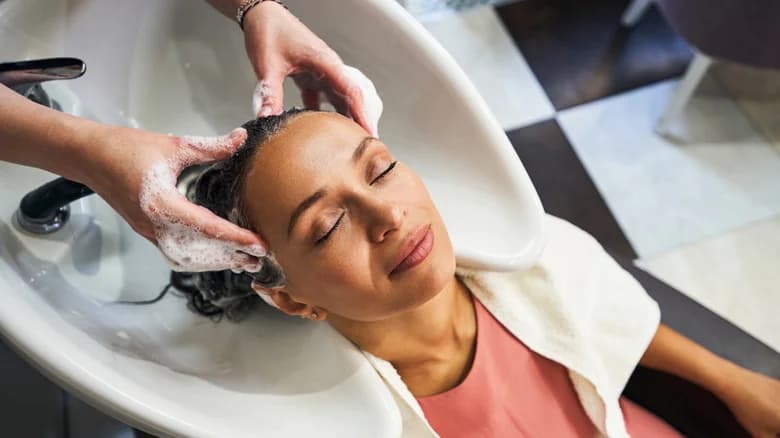
Your scalp is the soil your hair grows from. Here's what a salon scalp treatment can and can't, do, explained simply.
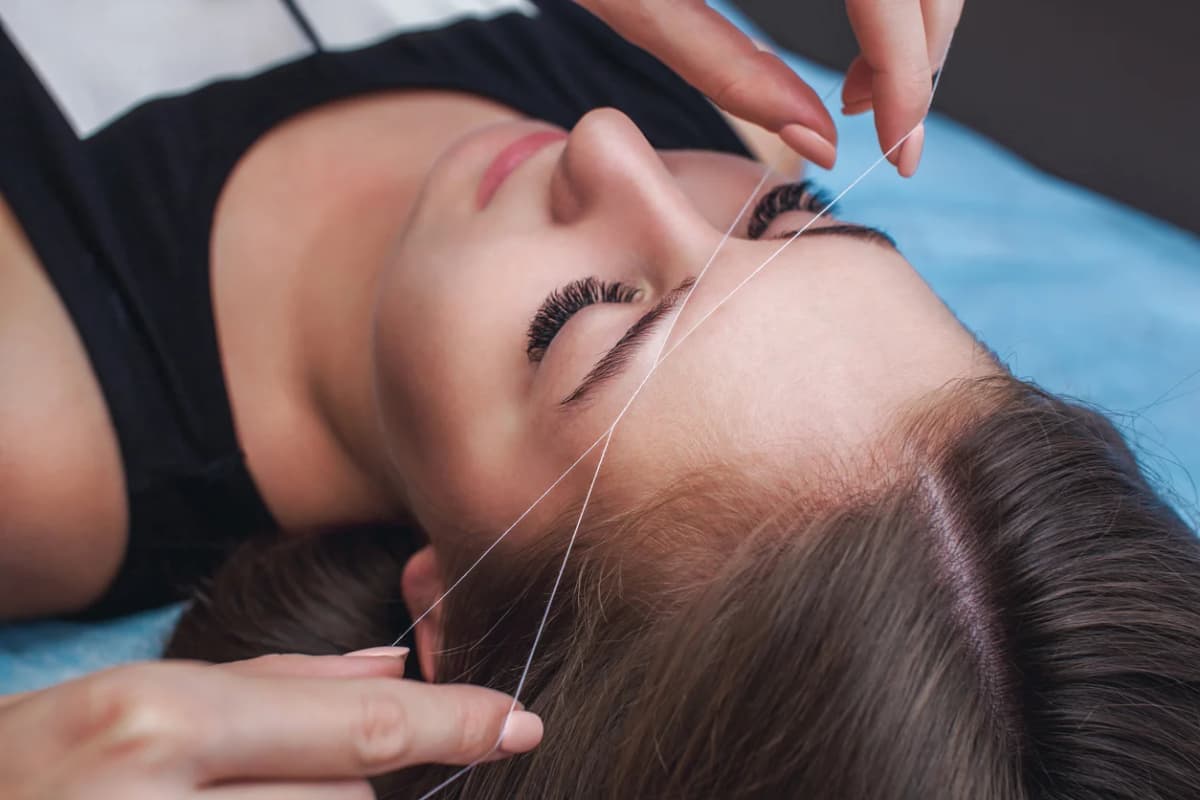
A friendly guide to the quick add-on treatments worth booking alongside your facial or hair appointment and how to get the best results.
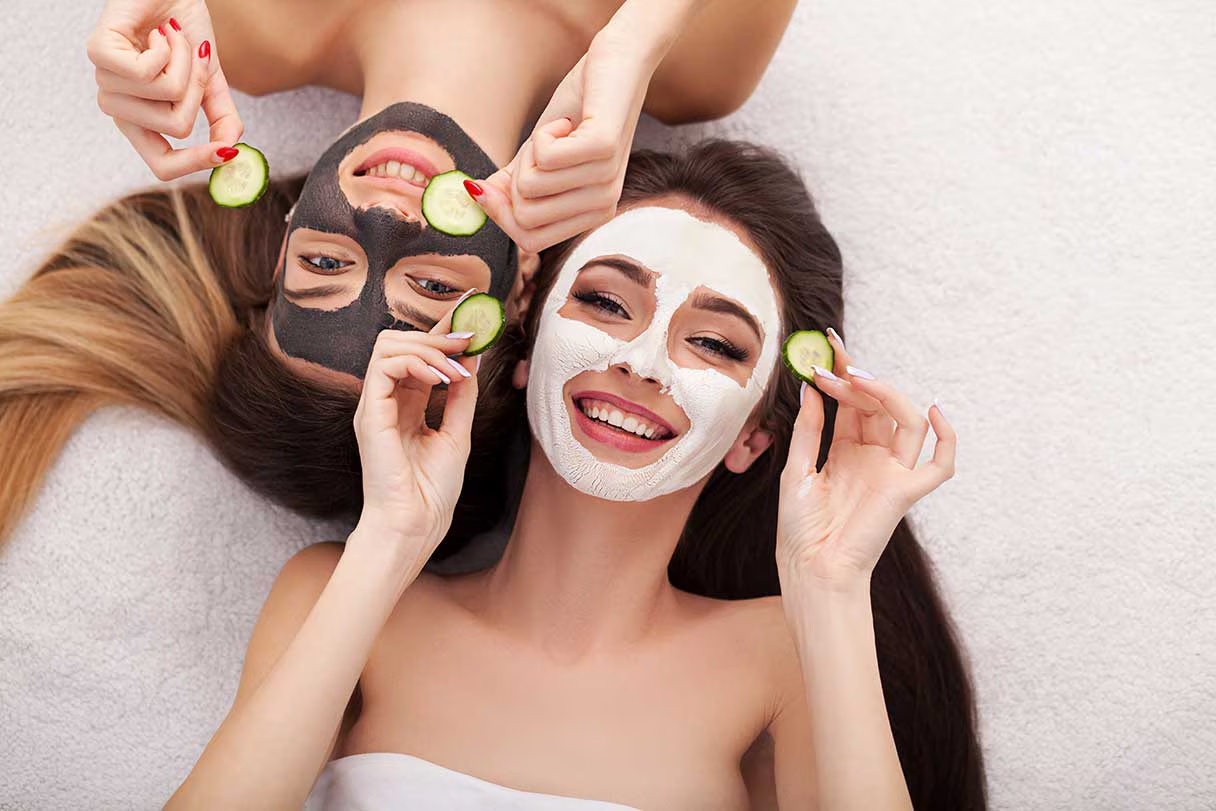
Your guide to professional facials and why your face deserves the very best care