Facials 101: What a Facial Really Does and How to Choose the Right One
A clear, science-grounded guide to what facials do for your skin, the main types, how often to get them, and how to pick the right one.
A clear, evidence-based comparison of every smoothing and straightening option, results, longevity, damage, cost and safety.
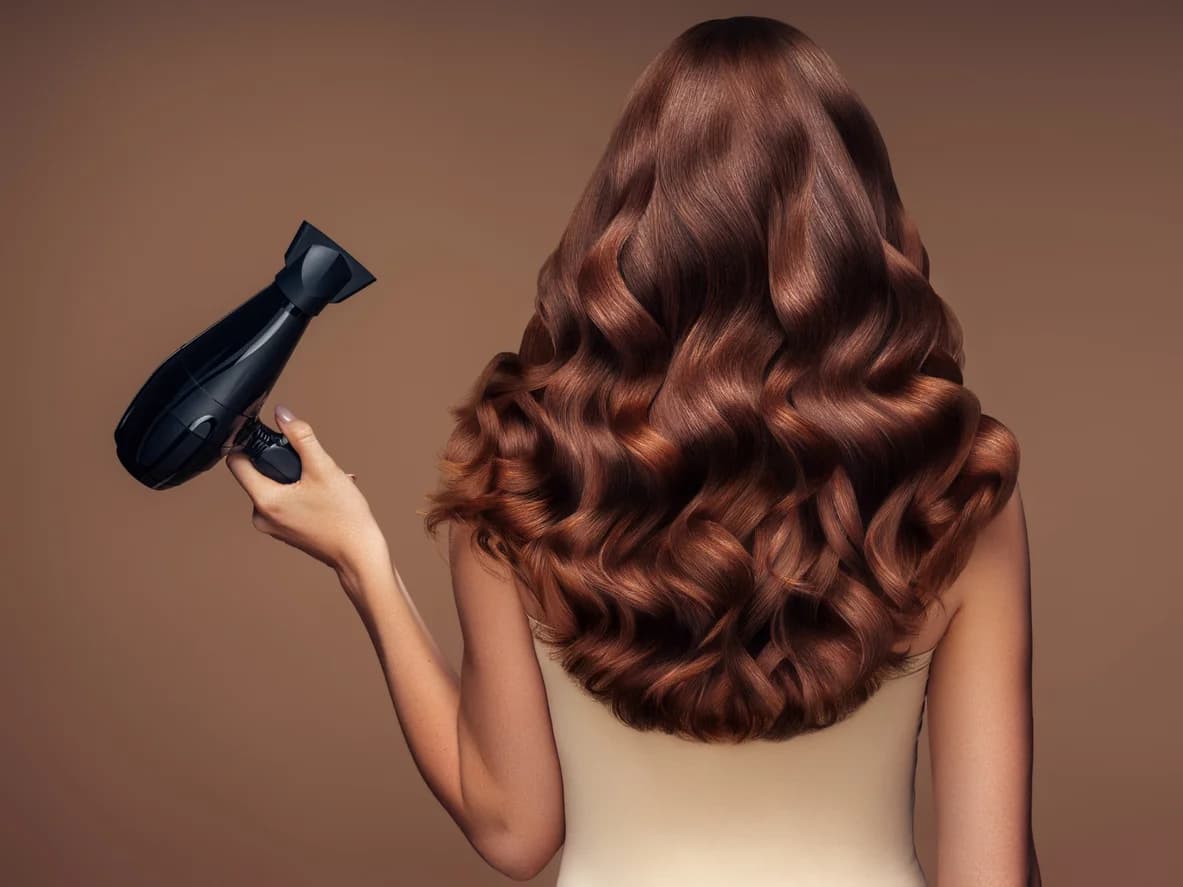
Four words, endless confusion: smoothening, straightening, rebonding and keratin. They overlap, salons use them loosely, and the differences genuinely affect your results, your hair's health and your budget. This is the honest, evidence-based comparison, what each one does, how long it lasts, how damaging it is, what it costs in India, and how to choose.
Your hair's lasting shape is held by strong internal links called disulfide bonds. Anything that only affects weak hydrogen bonds (heat and water) is temporary; anything that breaks, rebuilds or destroys disulfide bonds is far more lasting and more demanding on your hair.1,2 Every option below sits somewhere on that spectrum, and that single fact predicts both its permanence and its damage potential.
Option | What it does to hair | Result | Longevity | Damage |
|---|---|---|---|---|
Flat iron (temporary) | Breaks hydrogen bonds with heat | Straight until next wash | Hours–days | Low (heat if overused)2 |
Keratin treatment | Surface smoothing film; no bond-breaking | De-frizzed, shiny, keeps movement | 3–6 months | Lower4,5 |
Smoothening | Milder smoothing; flattens texture a little more | Smoother, softer, some natural texture | 2–6 months | Moderate4 |
Rebonding / Japanese | Breaks then re-forms disulfide bonds | Pin-straight, sleek | Permanent; touch up regrowth | Higher2,4 |
Chemical relaxer | Destroys disulfide bonds (lanthionine) | Straightens very curly/coily hair | Permanent | Highest3 |
Keratin treatments lay down a smoothing film that seals the cuticle, cutting frizz and boosting shine while keeping your hair's natural movement. They don't break disulfide bonds, so they're the gentlest of the lasting options and fade gradually over three to six months.4,5 Best for people who want manageability and gloss without losing texture.
Smoothening is effectively a milder version of straightening: it flattens and softens texture more than keratin but keeps a more natural look than rebonding. It lasts a few months and suits wavy-to-curly hair that you want noticeably calmer without going fully straight.4
Rebonding chemically breaks your hair's disulfide bonds and re-forms them straight, giving long-lasting, pin-straight results. Because it restructures the hair's internal bonds, it's more demanding and needs regrowth touch-ups as new hair grows in; it's best reserved for healthy hair and skilled application.2,4
Relaxers permanently straighten tightly curled or coily hair by converting disulfide bonds into lanthionine. A one-way change. They're the most chemically aggressive option and, because the products are corrosive, demand careful professional handling.3
Prices vary with hair length, density, the product/brand, and salon expertise, so treat these as broad guides rather than fixed quotes:11
Keratin treatment: commonly ~₹4,000–₹15,000 depending on length and brand.
Smoothening: often somewhat lower than keratin/rebonding, typically a few thousand rupees upward.
Rebonding: usually at the higher end, given the multi-step process and time involved.
The honest advice: don't shop on price alone for a heat-and-chemistry service. The quality of the product and the skill of the stylist directly affect both your result and your hair's health. A consultation gives you an accurate, length-specific quote.
All smoothing and straightening services share one safety theme and a few important distinctions:
Formaldehyde is present in some smoothing products (or released when they're heated) and can irritate eyes, nose and throat; the FDA advises reading labels and asking what's used. Ventilation and product choice matter.6
'Formaldehyde-free' isn't automatically safe, the common glyoxylic-acid alternative has been linked, in 2024, to rare cases of acute kidney injury.9
The cancer research concerns frequent chemical-relaxer use. The NIH Sister Study found an association between frequent straightener use and uterine cancer, but it's observational, didn't identify a specific chemical, and findings are mixed across studies. It is not the same exposure as an occasional keratin or smoothening.7,8
Regulation is evolving: the FDA has proposed a formaldehyde ban but, as of early 2026, has not finalised it.10
Want shine and frizz control but keep your texture? → Keratin treatment.
Want noticeably smoother, calmer hair, still fairly natural? → Smoothening.
Want permanently straight, sleek hair and willing to commit to upkeep? → Rebonding (on healthy hair).
Have very curly/coily hair and want it permanently straightened? → A professionally applied relaxer, with careful candidacy screening.
Hair already bleached, over-coloured or damaged? → Pause and get a professional assessment before any chemical service.4,5
Wait the recommended period before your first wash (often 48–72 hours).12
Use sulfate-free, salt-free shampoo to protect the result and prolong it.12
Limit heat, use heat protectant, and avoid chlorine and salt water.12
Don't over-treat, repeated chemical services compound damage.5
Hair type matters as much as personal preference. As a general guide:
Fine, slightly wavy hair: a keratin treatment usually gives plenty of smoothness and shine without over-flattening, heavier chemical straightening is rarely needed.
Frizzy, medium-to-thick wavy hair: keratin or smoothening both work well; smoothening if you want it noticeably calmer and sleeker.
Curly hair you want to keep curly but de-frizzed: keratin, which softens frizz while preserving curl pattern.1
Very curly or coily hair you want permanently straight: rebonding or a professionally applied relaxer, with careful assessment first.3
Already-damaged, bleached or over-processed hair: pause, get a professional condition check before any chemical service, as the risk of breakage is real.5
Whatever you choose, a few habits keep your hair healthy through repeated services. Space chemical treatments sensibly rather than stacking them; never combine aggressive services (like bleaching and straightening) without professional guidance; invest in sulfate-free, salt-free aftercare; and treat heat styling as something to minimise once you've had a smoothing service, not pile on top of it.5,12 The fibre is a finite resource, the goal is the look you want with the least structural cost.
No, it's semi-permanent (a few months) and fades as new hair grows. Rebonding and relaxers are permanent on treated hair but need regrowth touch-ups.2,4
Related but not identical. Keratin treatments coat and smooth while keeping the most natural movement; smoothening flattens texture a bit more.4
A single, well-done treatment is generally low-to-moderate damage; repeated treatments cause cumulative damage. Rebonding and relaxers are more demanding on the hair.4,5
The honest answer: studies show an association between frequent, long-term chemical-relaxer use and uterine cancer, strongest in heavy users, but causation isn't proven and findings are mixed. A one-off keratin or smoothening treatment is a very different exposure profile.7,8
Still unsure? Let's figure it out together
The right choice depends on your hair type, its current health, your styling goals and your budget. At Diana & Dapper in Hyderabad, we'll assess your hair, walk you honestly through these options, give you a clear quote, and recommend only what genuinely suits you. Book a consultation to get started.
1. Cloete E et al. The what, why and how of curly hair: a review. PMC, 2019. https://pmc.ncbi.nlm.nih.gov/articles/PMC6894537/
2. Healthline. Japanese hair straightening: hydrogen and disulfide bonds. https://www.healthline.com/health/beauty-skin-care/japanese-hair-straightening
3. Chemistry World. Are hair relaxers damaging to health? (lanthionization). https://www.chemistryworld.com/features/are-hair-relaxers-damaging-to-health/4017658.article
4. Jawed Habib. Smoothening vs rebonding vs keratin treatment (consumer comparison). https://jawedhabiblucknow.in/blog/hair-rebonding/86-smoothening-vs-rebonding-vs-keratin-treatment
5. Velasco MVR et al. Impact of acid and alkaline straightening on the hair fibre. Int J Trichology, 2022. https://pmc.ncbi.nlm.nih.gov/articles/PMC10075350/
6. U.S. FDA. Hair Smoothing Products That Release Formaldehyde When Heated (updated 2024). https://www.fda.gov/cosmetics/cosmetic-products/hair-smoothing-products-release-formaldehyde-when-heated
7. Chang C-J et al. Use of straighteners and incident uterine cancer (NIH Sister Study). JNCI, 2022. https://doi.org/10.1093/jnci/djac165
8. Bertrand KA et al. Hair relaxer use and uterine cancer in the Black Women's Health Study. Environmental Research, 2023. https://www.sciencedirect.com/science/article/abs/pii/S0013935123020327
9. Acute kidney injury and hair-straightening products (glyoxylic acid). PMC, 2024. https://pmc.ncbi.nlm.nih.gov/articles/PMC11328560/
10. CNN. FDA misses deadline on proposed formaldehyde ban, Jan 2026. https://www.cnn.com/2026/01/05/health/hair-straightening-formaldehyde-fda-deadline
11. Naomi's Head Masters / Oliva Clinic. Hair smoothening and keratin cost in India. https://naomisheadmasters.com/hair-smoothening-price-in-india/
12. Inova Professional. Aftercare: sulfate-free shampoo and waiting period. https://inovaprofessional.com/blogs/blog/why-using-sulfate-free-shampoo-is-crucial-after-your-keratin-treatment
A note on this article
This article is for general education and is based on the cited scientific and regulatory sources. It is not medical advice. Results vary by individual; for any medical scalp or hair condition, please consult a qualified dermatologist. At Diana & Dapper we are happy to discuss your hair and scalp history before recommending any service, book a consultation to learn what is right for you.
Ready to book?
Sainikpuri and Malkajgiri. Walk-ins always welcome — no appointment needed.
Browse all articles or explore by topic below.
A clear, science-grounded guide to what facials do for your skin, the main types, how often to get them, and how to pick the right one.
What a keratin treatment really does, who it suits, and how to decide, explained simply, backed by science.
A friendly, honest guide to hair smoothening, what it is, how it differs from keratin and rebonding, and how we keep it safe.
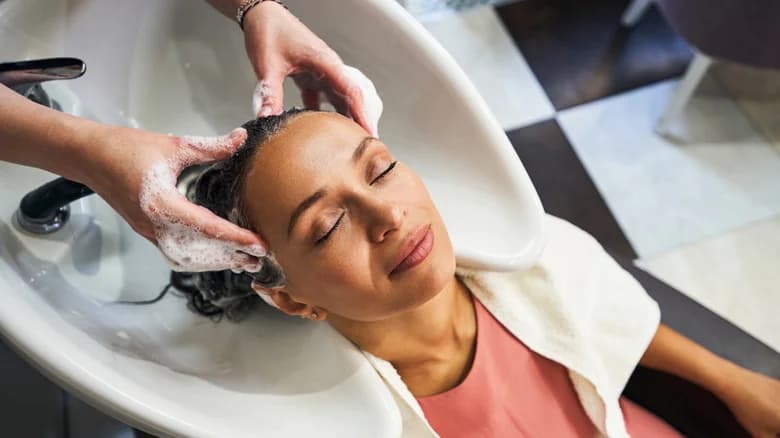
Your scalp is the soil your hair grows from. Here's what a salon scalp treatment can and can't, do, explained simply.
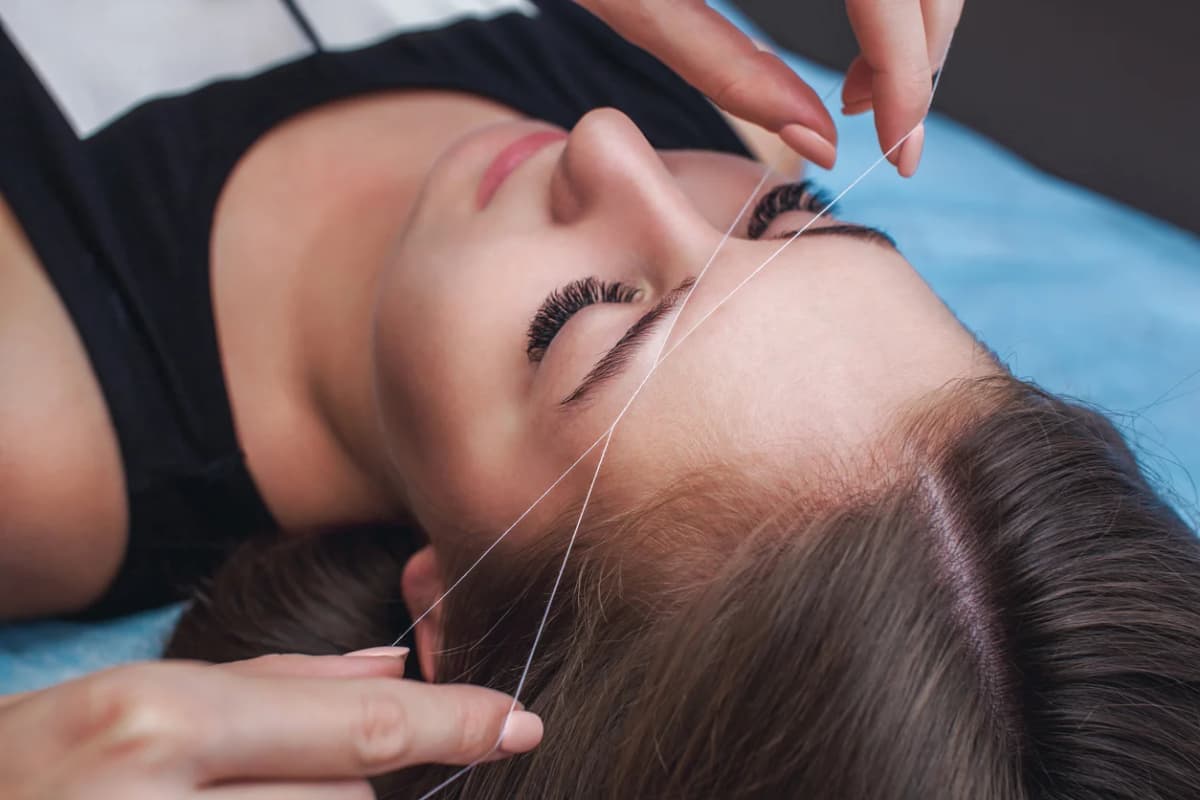
A friendly guide to the quick add-on treatments worth booking alongside your facial or hair appointment and how to get the best results.
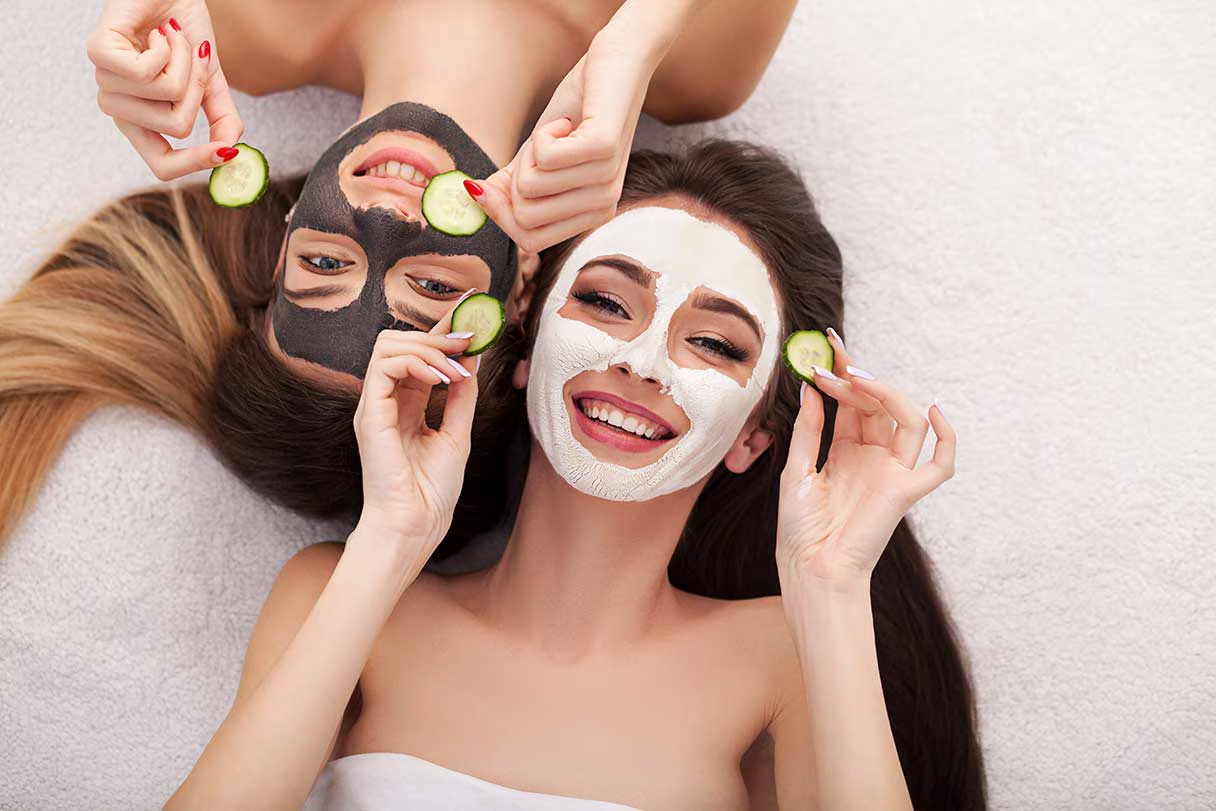
Your guide to professional facials and why your face deserves the very best care