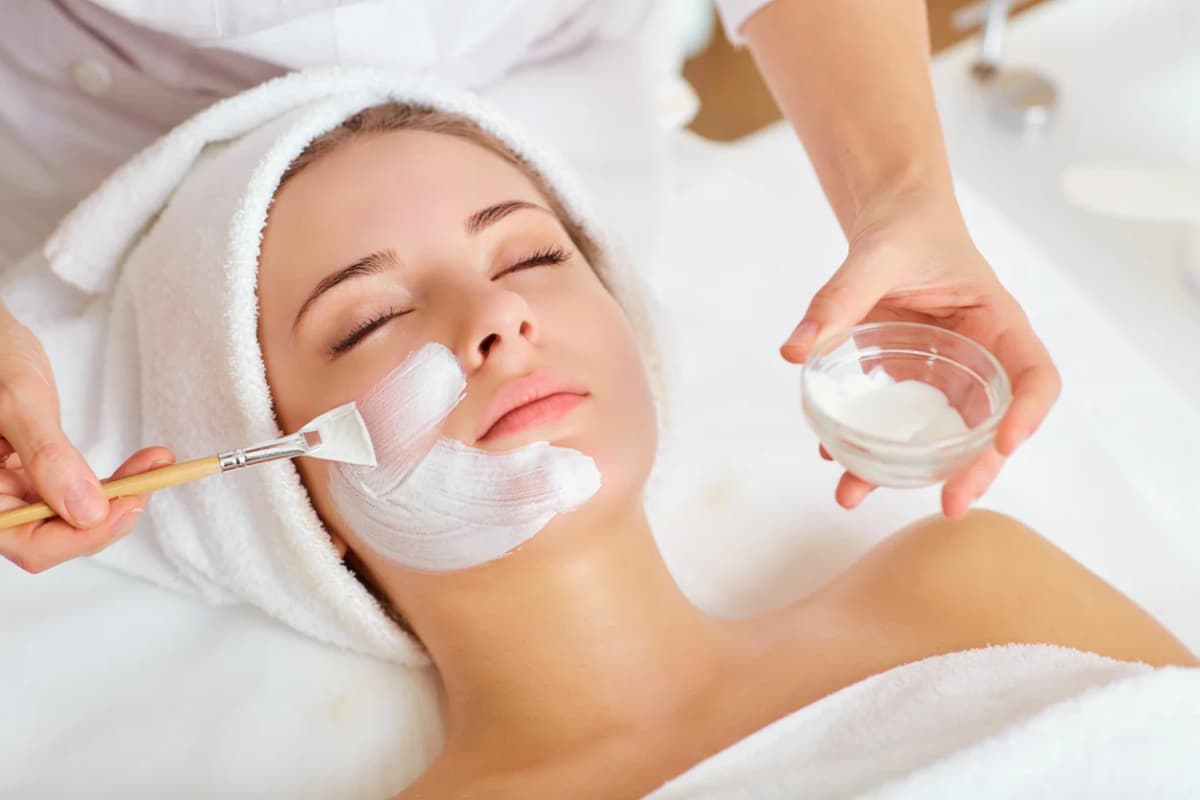
Facials 101: What a Facial Really Does and How to Choose the Right One
A clear, science-grounded guide to what facials do for your skin, the main types, how often to get them, and how to pick the right one.
A science-forward look at scalp biology and an honest evidence ladder for the treatments that claim to help your hair.
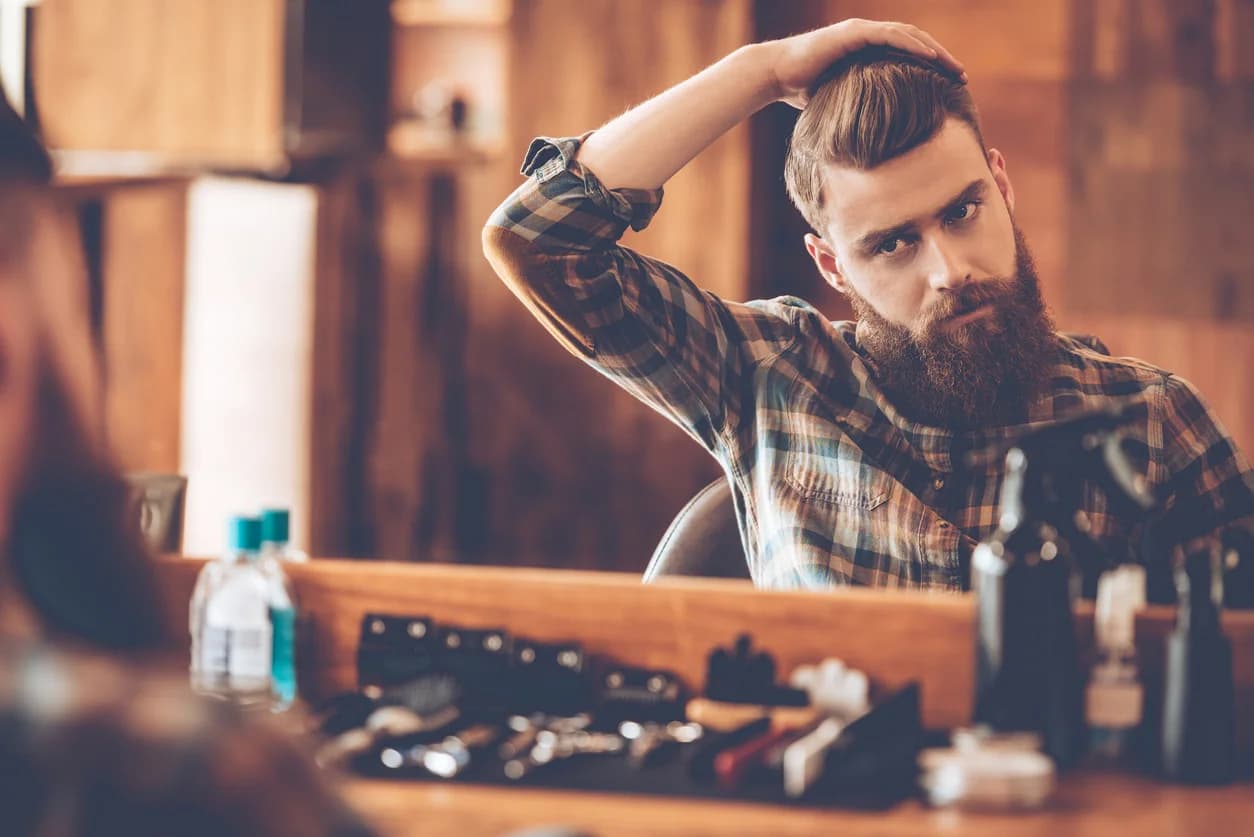
The scalp-care industry is full of bold promises. The most useful thing we can offer a curious reader isn't another miracle claim, it's an honest map of what the science actually shows, sorted from strong evidence to preliminary. This article covers the biology of the scalp and hair cycle, then rates the popular treatments by how good the evidence really is.
The scalp is skin, but a specialised kind. It carries one of the highest concentrations of pilosebaceous units (hair follicle plus oil gland) on the body. Each follicle's base contains the dermal papilla, the signalling hub that governs how hair is produced.1 Sebaceous glands secrete sebum, which lubricates and forms a protective lipid layer.
Hair grows in a cycle with three main phases:1
Anagen (growth): lasts roughly 2–6 years; at any moment, around 85–90% of your follicles are in this phase.
Catagen (transition): a brief few weeks in which the follicle regresses.
Telogen (rest): about three months, after which the old hair sheds and the cycle begins again.
Understanding this cycle explains a lot, for instance, why shedding after a stressful event shows up months later, and why no treatment produces overnight regrowth.
Your scalp hosts a community of microbes, notably Malassezia yeasts along with various bacteria. Research comparing healthy and dandruff-affected scalps finds that a balanced community appears protective, while dysbiosis (an overgrowth of certain yeasts and bacteria, and loss of beneficial commensals) is associated with dandruff.2,3 This reframes 'scalp health' as partly an ecological question: the aim is balance, not sterility.
These sit on one spectrum (dandruff is the milder, non-inflamed end). The three drivers are Malassezia yeast, sebum, and individual susceptibility. The yeast breaks down sebum into irritating by-products such as oleic acid, which triggers flaking in sensitive people. Importantly, dandruff is not simply 'dry scalp'. It commonly occurs on oily scalps.4
A dry scalp produces small, tight flakes (often from over-washing or weather); an oily scalp produces greasier flakes and often overlaps with seborrheic dermatitis. Product buildup is its own issue, and dermatology guidance supports periodic clarifying for heavy product users. Distinguishing these matters because the right response differs, clarify versus soothe and moisturise.4
Here's where honesty earns trust. Not all popular treatments are equally supported.
Ketoconazole 2%, robust evidence for dandruff and seborrheic dermatitis; in a 331-subject randomised trial it produced ~73% improvement, working by suppressing Malassezia.5
Zinc pyrithione 1%, well-established anti-dandruff active.5
Tea tree oil 5%, in a 126-patient randomised trial, produced a 41% improvement in dandruff severity versus 11% for placebo.6
A small controlled study (nine men, 24 weeks) found standardised scalp massage increased hair thickness, with lab evidence that mechanical stretching alters gene expression in dermal papilla cells.7 A larger self-reported survey found ~69% of respondents perceived stabilisation or improvement.8 These are small, partly self-reported studies, massage is safe and biologically plausible, but should be described as supportive, not a proven regrowth therapy.
Caffeine (topical), laboratory and follicle-culture studies suggest it can stimulate follicles and counter testosterone's suppressive effect, but robust clinical trial proof is limited.10
Rosemary oil, one trial found it comparable to 2% minoxidil (the weaker strength) over six months, with less itch. Promising, but a single small study against the weaker comparator, not equivalent to standard minoxidil therapy.9
Niacinamide, peptides, menthol, limited or early evidence for hair benefit; best framed as supportive scalp-comfort or cosmetic ingredients rather than regrowth agents.
Low-level laser therapy (LLLT): meta-analyses of randomised trials show a statistically significant increase in hair density versus sham in pattern hair loss, with FDA-cleared home devices available; effect sizes are modest and protocols vary.12
Microneedling: a pilot randomised trial found microneedling plus minoxidil far outperformed minoxidil alone but it's mainly studied as an adjunct, in small early trials.11
Platelet-rich plasma (PRP): meta-analyses show increased hair density versus placebo in several studies, though results for hair count and diameter are inconsistent and protocols aren't standardised. Promising but heterogeneous, and a medical procedure.13
What 'scalp facials' and salon scalp treatments honestly deliver
Bundled salon scalp treatments (cleansing, exfoliation, massage, steam, targeted serums, sometimes LED) lack dedicated high-quality trials as a bundle. The honest, evidence-aligned positioning is: deep cleansing, exfoliation, relaxation, improved scalp comfort and a maintenance touchpoint, not a medical cure for hair loss.1,7
Telogen effluvium, diffuse shedding triggered by stress, illness, childbirth, surgery, rapid weight loss or deficiency. Usually benign and reversible, often resolving within months once the trigger is addressed.15
Androgenetic alopecia, genetic, hormone-driven follicle miniaturisation. The evidence-based treatments here are medical (e.g., minoxidil, finasteride) and procedural adjuncts; salon scalp care can complement but won't reverse it.16
On nutrition: deficiencies in iron, vitamin D or zinc are associated with hair loss in some studies, and correcting a documented deficiency may help but supplementing without a deficiency isn't proven to help, and biotin in particular is over-marketed. Test before you supplement.14
Because only a fraction of follicles are growing at any moment and each cycle spans years, no scalp treatment and no drug, produces visible change in days.1 Meaningful assessment of anything aimed at hair density takes months, which is exactly why the credible studies above run for 16–24 weeks or longer. This is also why patience and consistency beat intensity: a sustainable routine maintained over months does more than an aggressive burst. When a product promises dramatic regrowth in a couple of weeks, the growth cycle alone tells you to be sceptical.
Armed with the evidence ladder, you can decode marketing quickly. A few practical filters:
"Clinically proven" should mean a controlled trial, ideally randomised and placebo/sham-controlled, not a satisfaction survey. The strongest actives (ketoconazole, zinc pyrithione, tea tree oil) have exactly this kind of backing.4,5,6
In-vitro or 'lab study' results are a starting point, not proof in people, caffeine is a good example of promising lab data that outpaces clinical confirmation.10
Comparisons matter: rosemary oil performed comparably to 2% minoxidil, the weaker strength, impressive, but not the same as matching standard therapy.9
Beware single small studies presented as settled science, and be wary of any claim of fast, dramatic regrowth.
Scalp health is real, measurable and worth investing in and the strongest evidence supports keeping the scalp clean and balanced and treating dandruff with proven actives. Scalp massage is a pleasant, plausible bonus. Procedures like LLLT, microneedling and PRP have genuine but heterogeneous evidence and belong in appropriate clinical settings. What no salon scalp treatment should claim is to regrow hair the way a prescription drug can.
At Diana & Dapper, we believe this kind of transparency is the point. We'll assess your scalp, recommend what's genuinely supported, and refer you to a dermatologist when that's the right call. Book a scalp consultation to talk it through with us.
1. StatPearls (NCBI). Physiology and anatomy of hair; the hair growth cycle, 2023. https://www.ncbi.nlm.nih.gov/books/NBK499948/
2. Comparison of healthy and dandruff scalp microbiome: the role of commensals. PMC, 2018. https://pmc.ncbi.nlm.nih.gov/articles/PMC6180232/
3. Diversity and abundance of fungi and bacteria on healthy vs dandruff scalp. PLOS ONE, 2019. https://journals.plos.org/plosone/article?id=10.1371/journal.pone.0225796
4. Seborrheic dermatitis and dandruff: a comprehensive review. PMC, 2015. https://pmc.ncbi.nlm.nih.gov/articles/PMC4852869/
5. Multicenter RCT of ketoconazole 2% and zinc pyrithione 1% shampoos in dandruff/seborrheic dermatitis. PubMed, 2002. https://pubmed.ncbi.nlm.nih.gov/12476017/
6. Satchell AC et al. Treatment of dandruff with 5% tea tree oil shampoo. JAAD, 2002. https://pubmed.ncbi.nlm.nih.gov/12451368/
7. Koyama T et al. Standardized scalp massage increases hair thickness. Eplasty, 2016. https://pmc.ncbi.nlm.nih.gov/articles/PMC4740347/
8. English RS et al. Self-assessments of standardized scalp massage: survey results. Dermatol Ther, 2019. https://pmc.ncbi.nlm.nih.gov/articles/PMC6380978/
9. Panahi Y et al. Rosemary oil vs minoxidil 2% for androgenetic alopecia: randomized trial. Skinmed, 2015. https://pubmed.ncbi.nlm.nih.gov/25842469/
10. Fischer TW et al. Effect of caffeine on human hair follicles in vitro. Int J Dermatol, 2007. https://onlinelibrary.wiley.com/doi/10.1111/j.1365-4632.2007.03119.x
11. Dhurat R et al. Microneedling in androgenetic alopecia: a pilot RCT. Int J Trichology, 2013. https://pubmed.ncbi.nlm.nih.gov/23960389/
12. Systematic review/meta-analysis of FDA-cleared low-level laser therapy devices for pattern hair loss. PMC, 2021. https://pmc.ncbi.nlm.nih.gov/articles/PMC8675345/
13. PRP for androgenetic alopecia: systematic review and meta-analysis of RCTs. PubMed, 2023. https://pubmed.ncbi.nlm.nih.gov/37533146/
14. Almohanna HM et al. The role of vitamins and minerals in hair loss: a review. Dermatol Ther, 2019. https://pmc.ncbi.nlm.nih.gov/articles/PMC6380979/
15. Telogen Effluvium. StatPearls (NCBI), 2023. https://www.ncbi.nlm.nih.gov/books/NBK430848/
16. Medical and procedural treatment of androgenetic alopecia. JAAD, 2023. https://www.jaad.org/article/S0190-9622(23)00768-5/fulltext
A note on this article
This article is for general education and is based on the cited scientific and regulatory sources. It is not medical advice. Results vary by individual; for any medical scalp or hair condition, please consult a qualified dermatologist. At Diana & Dapper we are happy to discuss your hair and scalp history before recommending any service, book a consultation to learn what is right for you.
Ready to book?
Sainikpuri and Malkajgiri. Walk-ins always welcome — no appointment needed.
Browse all articles or explore by topic below.
A clear, science-grounded guide to what facials do for your skin, the main types, how often to get them, and how to pick the right one.
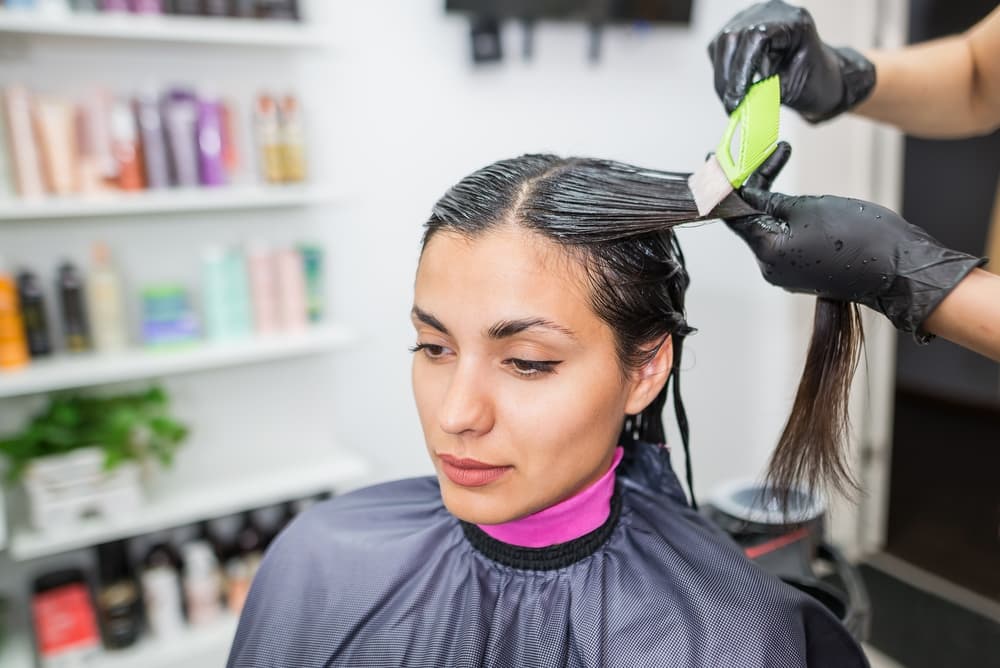
What a keratin treatment really does, who it suits, and how to decide, explained simply, backed by science.
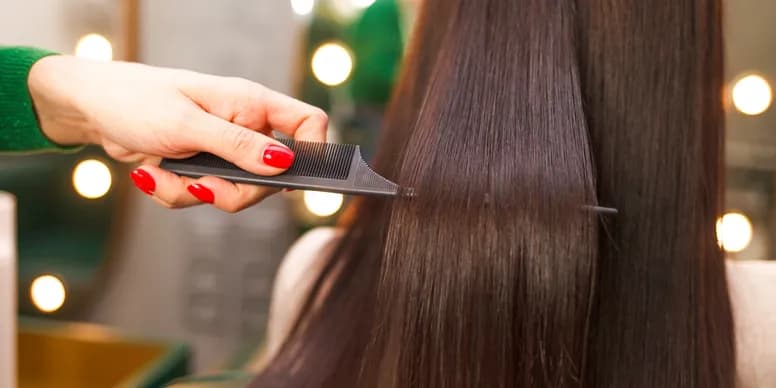
A friendly, honest guide to hair smoothening, what it is, how it differs from keratin and rebonding, and how we keep it safe.
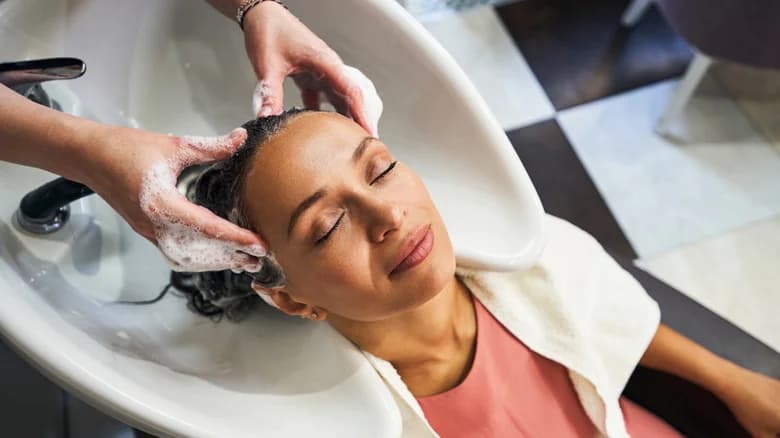
Your scalp is the soil your hair grows from. Here's what a salon scalp treatment can and can't, do, explained simply.
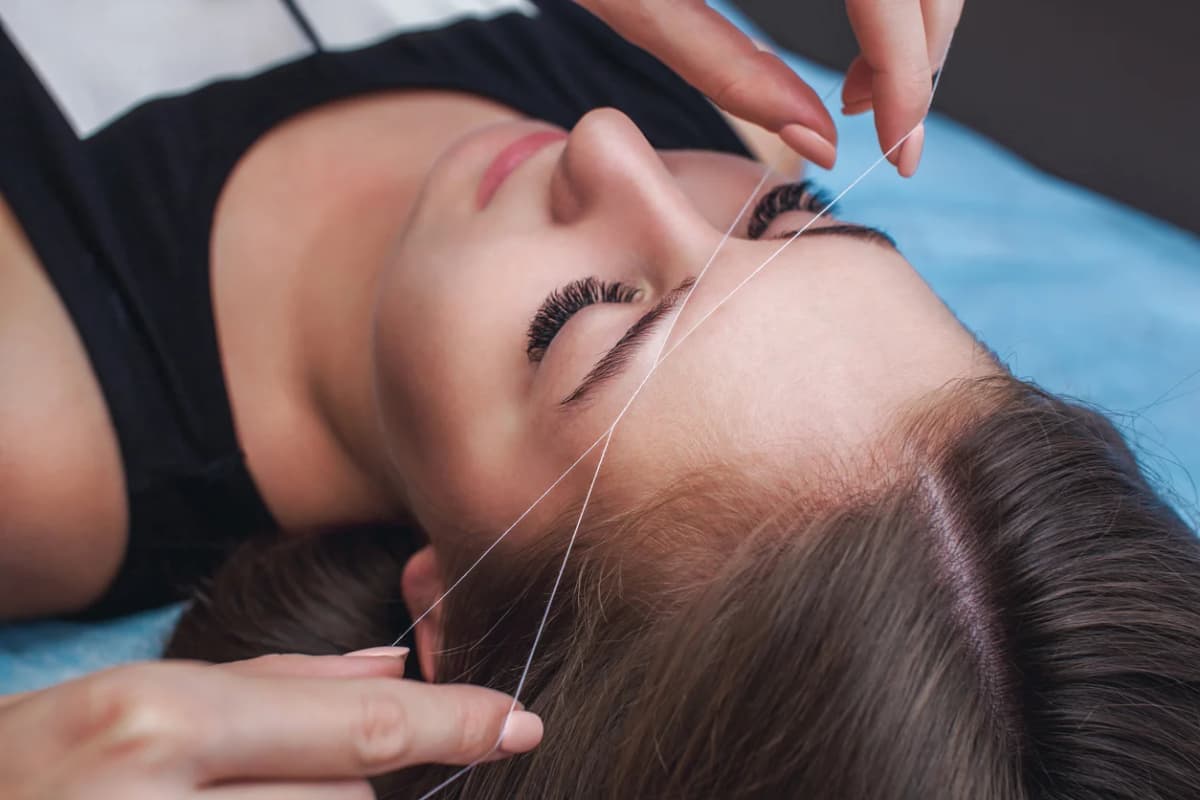
A friendly guide to the quick add-on treatments worth booking alongside your facial or hair appointment and how to get the best results.
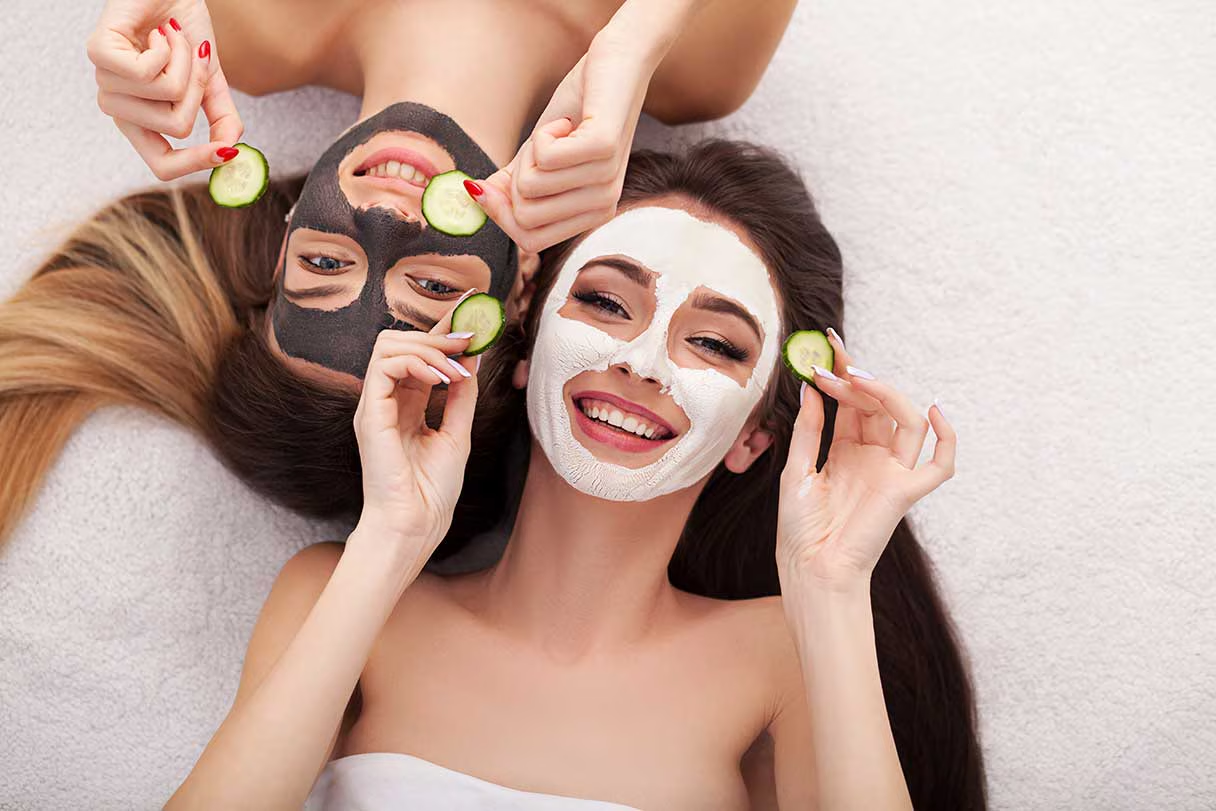
Your guide to professional facials and why your face deserves the very best care