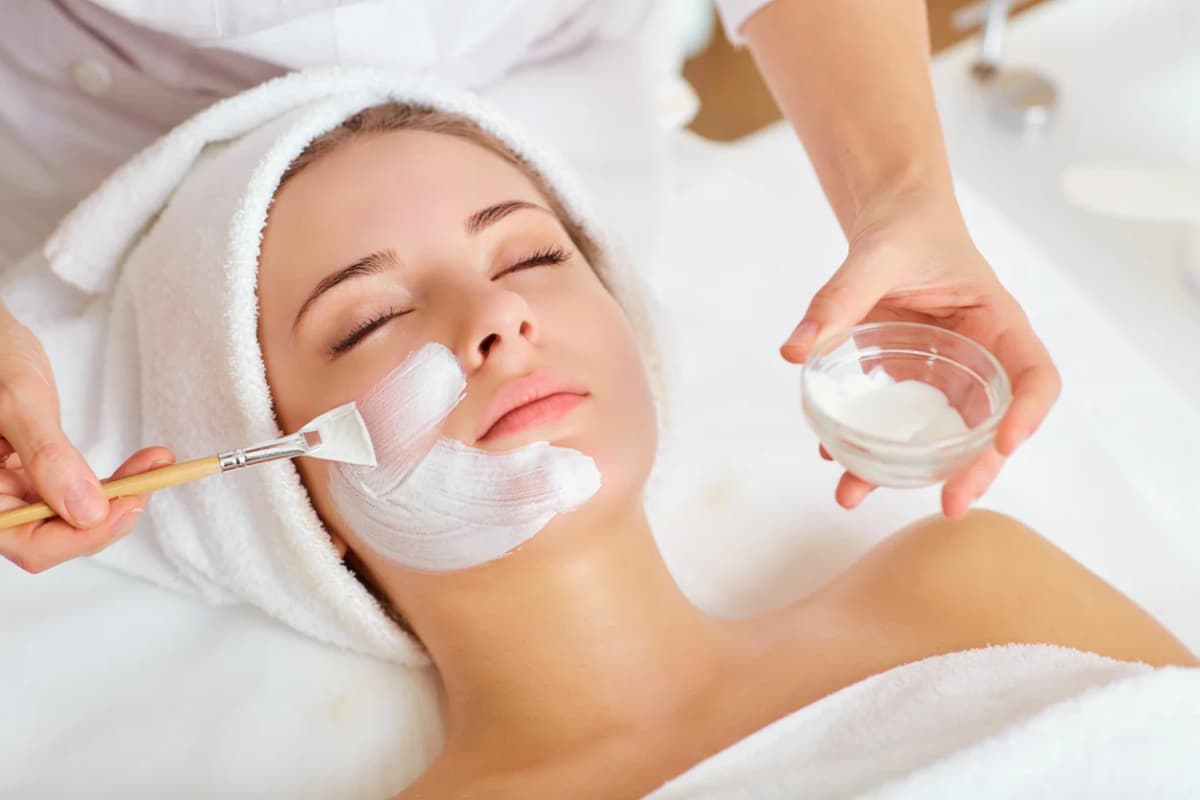
Facials 101: What a Facial Really Does and How to Choose the Right One
A clear, science-grounded guide to what facials do for your skin, the main types, how often to get them, and how to pick the right one.
What really happens to your skin during common add-ons, the evidence, the risks, and how a careful salon keeps them safe.
Add-on treatments are quick and routine, but each one interacts with your skin in real, biological ways and each has a right and a wrong way to be done. Understanding the science helps you choose a safe salon and look after your skin afterwards. Here's an honest, evidence-based look at the most common add-ons.
Both threading and waxing remove hair from below the skin's surface, threading by lifting individual hairs with a twisted thread, waxing by pulling hair from the follicle across an area.1 Because they remove hair at a deeper level than shaving, they last longer, but the same fact explains their two characteristic side effects.
Ingrown hairs are more common after methods that remove hair from the follicle (waxing, threading, plucking) than after shaving. When the new hair regrows, it can become trapped under the surface, especially in curly or coarse hair.2
Folliculitis, inflamed hair follicles, often from bacteria, can occur if technique or hygiene is poor, appearing as small red or white bumps around follicles. On acne-prone skin, threading over active breakouts can worsen irritation.2
How a careful salon reduces the risk
Clean hands and tools, fresh thread, not working over inflamed or broken skin, and good aftercare advice (gentle cleansing, light exfoliation between sessions to discourage ingrowns) all meaningfully lower the chance of bumps and folliculitis.2 Technique genuinely matters here.
A piercing is, biologically, a controlled wound that needs to heal cleanly. Healing times differ by site: earlobe piercings take about six to eight weeks, while cartilage piercings take much longer, often several months, because cartilage has a poorer blood supply and is under more tension.3 That longer, more tension-prone healing is also why cartilage piercings carry a higher risk of raised scars (keloids and hypertrophic scars).3
Leave the earring in until the piercing has healed, to keep the channel open and reduce infection risk.3
Clean gently once or twice a day with mild soap and water.3
Avoid harsh antiseptics like hydrogen peroxide or rubbing alcohol, they dry and irritate the wound and can slow healing.3
Watch for early thickening: at the first sign of a raised bump, seek advice; for those prone to keloids, dermatologists suggest measures like silicone gel/sheets and avoiding heavy earrings during healing.3,4
Keep healing piercings out of strong sun, which can darken scarring.4
If you have a personal or family history of keloids, mention it before piercing, it's an important factor worth discussing.4
Warts are caused by the human papillomavirus (HPV) infecting the top layer of skin, which is why they can be stubborn and sometimes recur.6 The two best-established first-line treatments are topical salicylic acid and cryotherapy (freezing). A systematic review and meta-analysis found no clear difference in clearance between the two, and both are considered safe, effective initial options; some recent evidence suggests combining them improves results for stubborn warts.5,6
An important honesty note
Wart treatment is genuinely a medical matter. Any new, changing, painful or uncertain skin growth should be assessed by a dermatologist rather than assumed to be a simple wart and persistent or spreading warts are best managed medically.6 A responsible salon recognises its limits and refers you appropriately.
Nail services are relaxing and cosmetic, but they involve tools near skin and cuticles, so infection control is everything. Poorly cleaned tools and foot-baths can transmit bacterial and fungal infections, and infections typically take hold when there's a break in the skin.7,8
Metal tools should be heat-sterilised (autoclaved) between clients; single-use items should be discarded.7,8
Foot-baths must be properly cleaned between uses, since they can harbour bacteria and fungi.7
Don't shave your legs for at least 24 hours before a pedicure, tiny nicks raise infection risk.7
Cuticles are a barrier, overly aggressive cutting removes natural protection and creates entry points for infection.7
The takeaway: a great manicure or pedicure is as much about a salon's hygiene standards as its polish range.
Add-ons are low-risk for most people, but a few situations call for caution or a conversation before you book:
Active breakouts, irritated, broken or sunburned skin in the area, best to let it settle before hair removal or threading, which can aggravate it.2
A history of keloids or raised scarring, important to mention before any piercing, as it changes the risk picture.4
Known allergies (for example to wax ingredients), a patch test is sensible.
Any new, changing, painful or uncertain skin growth, see a dermatologist rather than treating it as a routine wart.6
Recent skin procedures or strong actives (peels, retinoids), these can make skin more reactive to hair removal; let your therapist know.
None of these mean 'never', they simply mean a quick check so the treatment is done at the right time, in the right way.
Sterilised or single-use tools and clean stations, every time.7,8
Trained technicians who avoid working over broken, inflamed or infected skin.2
Honest screening and referral, declining when something needs a doctor (e.g. suspicious lesions, active infection).6
Clear aftercare tailored to the treatment.3
Add-ons are simple, but the biology underneath them is real: hair removal can cause ingrowns and folliculitis, piercings are wounds that scar if mishandled, warts are a viral infection that's often a medical matter, and nail services live or die on hygiene. The reassuring part is that careful technique and proper hygiene prevent the large majority of problems.
At Diana & Dapper we hold ourselves to exactly those standards and we'll always tell you honestly when a concern is better seen by a dermatologist. Book with confidence, and ask us anything about how we keep your treatment safe.
1. Canadian Dermatology Association. Hair removal & reduction. https://dermatology.ca/public-patients/diseases-conditions/hair-conditions/hair-removal/
2. Clarus Dermatology. Folliculitis vs ingrown hairs. https://www.clarusdermatology.com/folliculitis-vs-ingrown-hairs/
3. Cleveland Clinic. Keloid on ear: piercing, healing and care. https://my.clevelandclinic.org/health/diseases/24047-keloid-on-ear
4. American Academy of Dermatology. Keloid scars: self-care. https://www.aad.org/public/diseases/a-z/keloids-self-care
5. Chaudhary et al. Cryotherapy vs topical salicylic acid in common warts: systematic review and meta-analysis. Dermatologic Therapy, 2023. https://onlinelibrary.wiley.com/doi/10.1155/2023/4283918
6. American Family Physician. Treatment of Nongenital Cutaneous Warts. https://www.aafp.org/pubs/afp/issues/2011/0801/p288.html
7. American Academy of Dermatology. Manicure and pedicure safety. https://www.aad.org/public/everyday-care/nail-care-secrets/basics/pedicures/manicure-pedicure-safety
8. APIC. Preventing infections at the nail salon or tattoo parlor. https://www.apic.org/Resource_/TinyMceFileManager/for_consumers/IPandYou_Bulletin_Nail_Salon_Tattoo_Parlor.pdf
A note on this article
This article is for general education and is based on the cited scientific sources. It is not medical advice. Wart removal and any suspicious or persistent skin lesion should be assessed by a qualified dermatologist; piercing and nail infections that worsen need medical care. At Diana & Dapper, hygiene and trained technique come first.
Ready to book?
Sainikpuri and Malkajgiri. Walk-ins always welcome — no appointment needed.
Browse all articles or explore by topic below.
A clear, science-grounded guide to what facials do for your skin, the main types, how often to get them, and how to pick the right one.
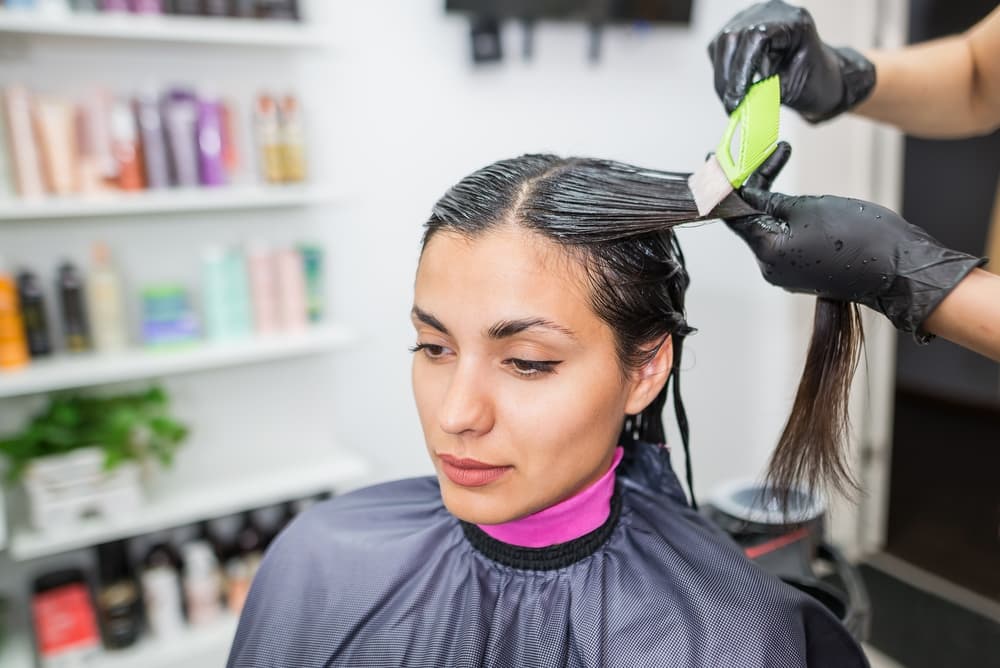
What a keratin treatment really does, who it suits, and how to decide, explained simply, backed by science.
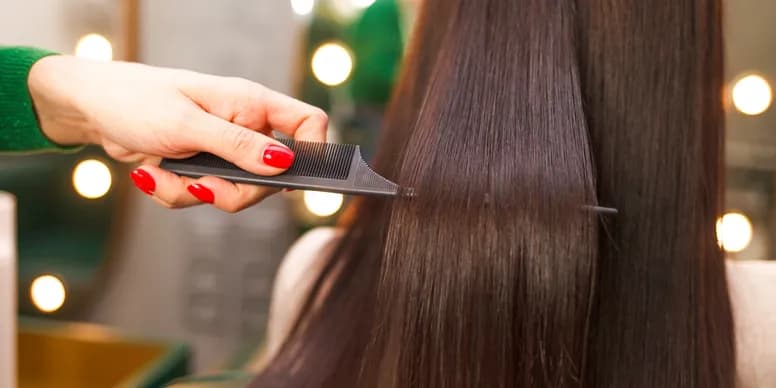
A friendly, honest guide to hair smoothening, what it is, how it differs from keratin and rebonding, and how we keep it safe.
Your scalp is the soil your hair grows from. Here's what a salon scalp treatment can and can't, do, explained simply.
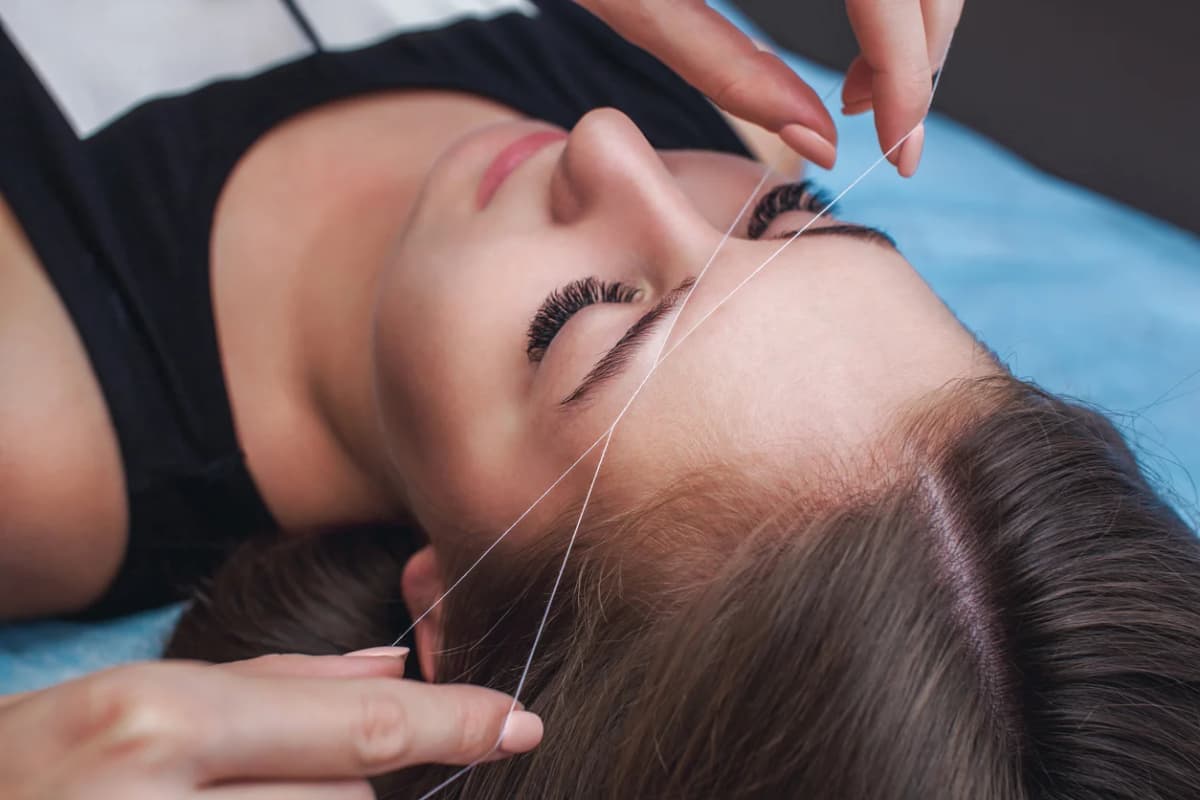
A friendly guide to the quick add-on treatments worth booking alongside your facial or hair appointment and how to get the best results.
Your guide to professional facials and why your face deserves the very best care