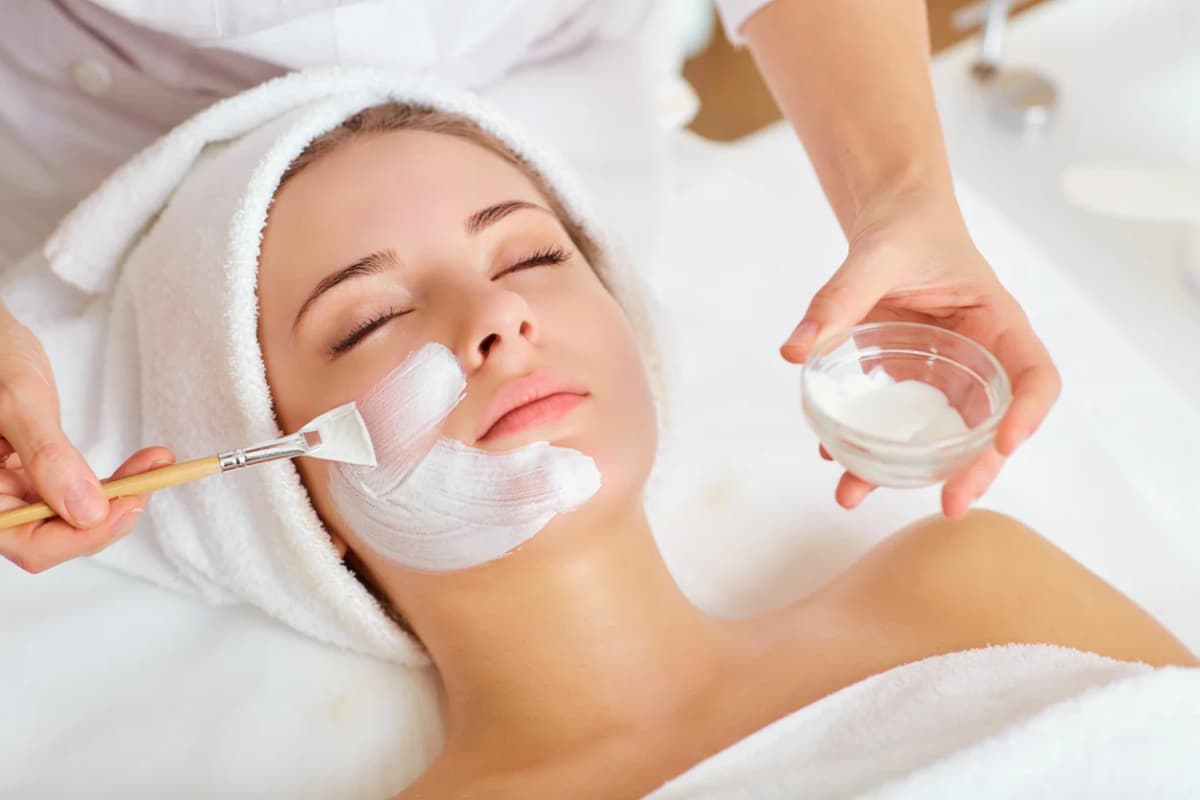
Facials 101: What a Facial Really Does and How to Choose the Right One
A clear, science-grounded guide to what facials do for your skin, the main types, how often to get them, and how to pick the right one.
A science-forward look at each step of a classic facial, what it does to your skin, what the evidence supports, and what it can't do.
A facial can feel like a pleasant blur of warm towels and nice-smelling products. But each step is doing something specific to your skin, and understanding the biology helps you get more from every treatment and spot the difference between sound practice and empty hype. Here's what's really happening, step by step, with an honest read of the evidence.
Your epidermis renews itself constantly. New cells form in its deepest layer and migrate upward, flattening and hardening into the corneocytes that make up the stratum corneum, the outermost barrier, before shedding from the surface. In younger adults this cycle takes roughly 28 days, lengthening with age.1 That barrier is best pictured as a brick wall: corneocyte 'bricks' set in a 'mortar' of ceramides, cholesterol and fatty acids that keeps water in and irritants out.2 Every step of a facial interacts with this system.
Cleansing removes sebum, makeup, sunscreen, pollution and dead-cell debris from the surface. Beyond the obvious hygiene benefit, it prepares the skin so that the steps which follow, exfoliation, treatment, hydration, can work on a clean canvas rather than through a film of grime.2,3 A professional double-cleanse is simply more thorough and methodical than most people manage at home.
Exfoliation accelerates the removal of dead surface cells, either mechanically (a fine scrub or tool) or chemically (mild acids or enzymes). The immediate effect is smoother-feeling, brighter-looking skin; functionally, clearing the outermost dead layer can also improve how well subsequent products penetrate.2,3 The key scientific caveat is restraint: the barrier is protective, and over-exfoliation strips the lipid mortar, leading to dryness, sensitivity and irritation. Done at the right intensity and frequency, exfoliation supports the skin; overdone, it damages it.2
Warmth and humidity soften sebum and the keratin plugs that block pores, which makes comedones (blackheads and whiteheads) easier and less traumatic to remove.4 A professional then uses sterile technique and controlled pressure to clear those clogged pores, fundamentally safer than at-home squeezing, which risks irritation, scarring and infection.4
Where the science says 'be careful'
Two evidence-based cautions matter here. First, inflamed, painful acne should not be forcibly extracted, pressing inflamed lesions can worsen swelling and redness.4 Second, heat can stimulate pigment cells, so for skin prone to post-inflammatory hyperpigmentation, aggressive steaming and extraction need a careful, restrained hand.4 A skilled therapist adjusts accordingly.
Facial massage is the step with the most charming claims and the most nuanced evidence. What's reasonably supported: massage increases local blood flow and can temporarily improve facial contour, muscle tone and the look of elasticity. A 2025 randomised controlled trial comparing facial roller and gua sha massage in 34 women found measurable reductions in facial surface distances and muscle-tone parameters over eight weeks, comparable to manual lymphatic drainage.5 Reviews note real but modest, often short-lived cosmetic effects and a boost to circulation.6
What the science doesn't support is the idea that a healthy face has a 'lymphatic problem' that massage fixes, or that massage produces dramatic, permanent change. It's best understood as a genuine but temporary enhancement and a deeply relaxing one, rather than a structural treatment.6
With the skin cleansed and prepped, a mask or serum delivers concentrated ingredients suited to your concern, hydrating humectants for dry skin, soothing agents for sensitivity, or brightening actives for uneven tone. The earlier steps matter here: a clean, lightly exfoliated surface lets these ingredients work more effectively than they would on untouched skin.2,3
The finish restores the barrier with moisturiser and, crucially, applies sun protection. Freshly exfoliated skin is more vulnerable to UV, and sunscreen is the single most evidence-backed step for protecting tone, preventing pigmentation and supporting long-term skin health.8 Any facial's results are undermined without it.
Every step above is something you can attempt at home, so why does the professional version work better? The difference isn't a single magic product, it's the combination of professional judgement and controlled technique. A trained therapist reads your skin and adjusts intensity in real time; uses sterile tools and proper preparation for extractions rather than fingertips on a bathroom mirror; calibrates exfoliation to your barrier instead of guessing; and layers steps in the right order so each one amplifies the next.3,4 The result is a deeper, safer, better-personalised treatment than most home routines achieve, which is exactly where the value of a facial lies, far more than in any one ingredient.
It's also why technique varies so much between providers. The same named facial can be excellent or mediocre depending on the skill behind it, restraint with exfoliation, care around inflamed or pigment-prone skin, and honest judgement about what your skin needs on the day.
Putting the evidence together: a well-performed facial reliably cleanses and hydrates more deeply than home care, clears congestion, gently renews the surface, improves product penetration, and delivers temporary improvements in tone, texture and circulation, all personalised by a trained eye.3,5 What it does not do is permanently erase wrinkles or deep pigmentation in one session; the evidence for some anti-ageing claims is mixed, and lasting change to those concerns generally requires advanced treatments and consistent home care.7
Curious which facial would suit your skin and goals? Come in for a consultation, we'll assess your skin and explain exactly what each step will do for it.
The honest takeaway
A facial is sound skin maintenance, not magic. Its real power is consistency plus personalisation and it performs best as a partner to a daily routine anchored by sunscreen.7,8 That's exactly how we approach facials at Diana & Dapper: matched to your skin, honest about expectations, and built around what the science supports.
1. SEER Training Modules (NCI). Layers of the Skin, epidermis, dermis, cell turnover. https://training.seer.cancer.gov/melanoma/anatomy/layers.html
2. Journal of Drugs in Dermatology. Skin Barrier Health: Regulation and Repair of the Stratum Corneum. https://jddonline.com/articles/skin-barrier-health-regulation-and-repair-of-the-stratum-corneum-and-the-role-of-over-the-counter-sk-S1545961616P1047X
3. GoodRx Health (medically reviewed). Are Facials Worth It? Benefits and What to Expect. https://www.goodrx.com/health-topic/dermatology/are-facials-worth-it
4. Curology (dermatology-led). Dermatologist extraction of acne, what to know and expect. https://curology.com/blog/dermatologist-extraction-of-acne-what-to-know-and-what-you-should-expect/
5. Ahn et al. Comparative Effects of Facial Roller and Gua Sha Massage: a Randomized Controlled Trial. Journal of Cosmetic Dermatology, 2025. https://pmc.ncbi.nlm.nih.gov/articles/PMC12121324/
6. Hamp et al. Gua-sha, jade roller and facial massage: are there benefits within dermatology? Journal of Cosmetic Dermatology, 2023. https://onlinelibrary.wiley.com/doi/10.1111/jocd.15421
7. TIME / dermatology experts. Are Facials Good For the Skin? https://time.com/5047587/facial-spa-skin-care/
8. American Academy of Dermatology. How to select a sunscreen. https://www.aad.org/public/everyday-care/sun-protection/shade-clothing-sunscreen/how-to-select-sunscreen
A note on this article
This article is for general education and is based on the cited scientific sources. It is not medical advice. Results vary by individual; for persistent acne, pigmentation, or any skin condition, please consult a qualified dermatologist. At Diana & Dapper we discuss your skin type and concerns before recommending any treatment, book a consultation to find what's right for you.
Ready to book?
Sainikpuri and Malkajgiri. Walk-ins always welcome — no appointment needed.
Browse all articles or explore by topic below.
A clear, science-grounded guide to what facials do for your skin, the main types, how often to get them, and how to pick the right one.
What a keratin treatment really does, who it suits, and how to decide, explained simply, backed by science.
A friendly, honest guide to hair smoothening, what it is, how it differs from keratin and rebonding, and how we keep it safe.
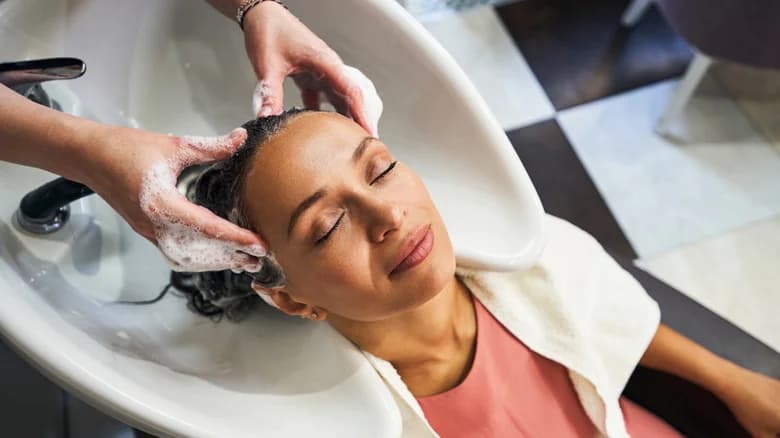
Your scalp is the soil your hair grows from. Here's what a salon scalp treatment can and can't, do, explained simply.
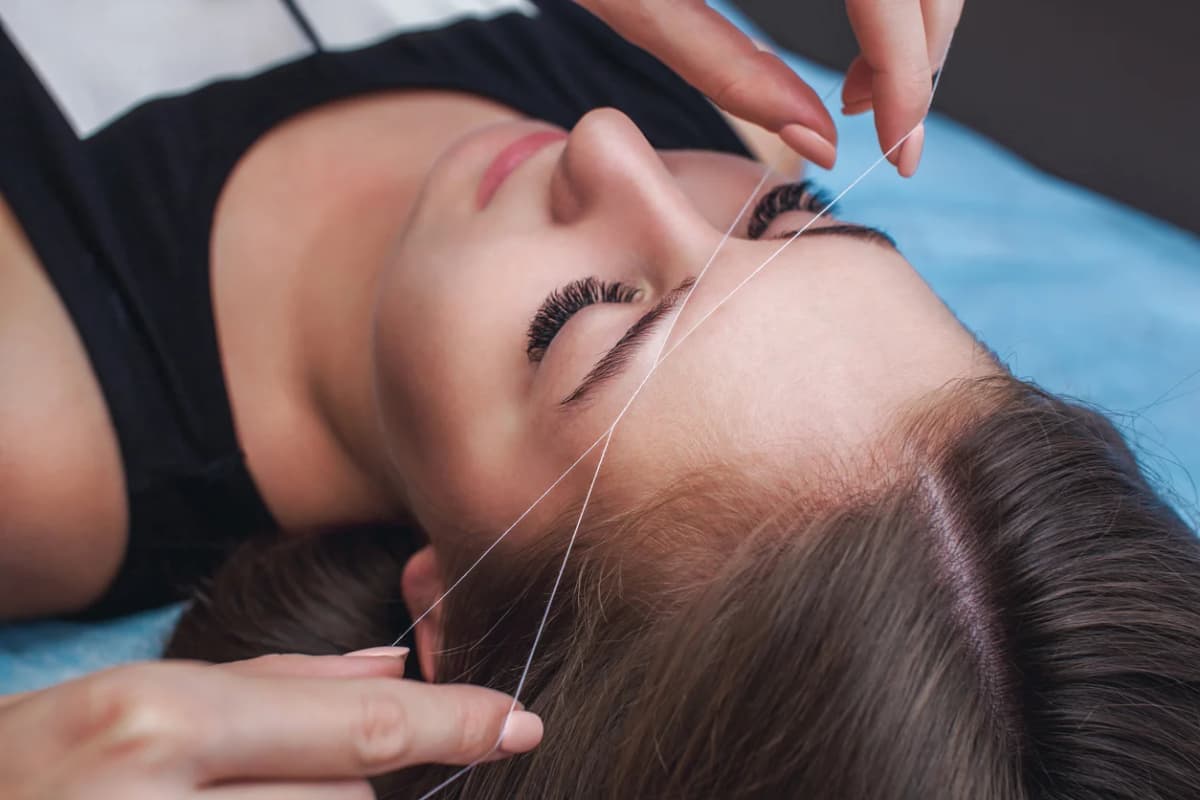
A friendly guide to the quick add-on treatments worth booking alongside your facial or hair appointment and how to get the best results.
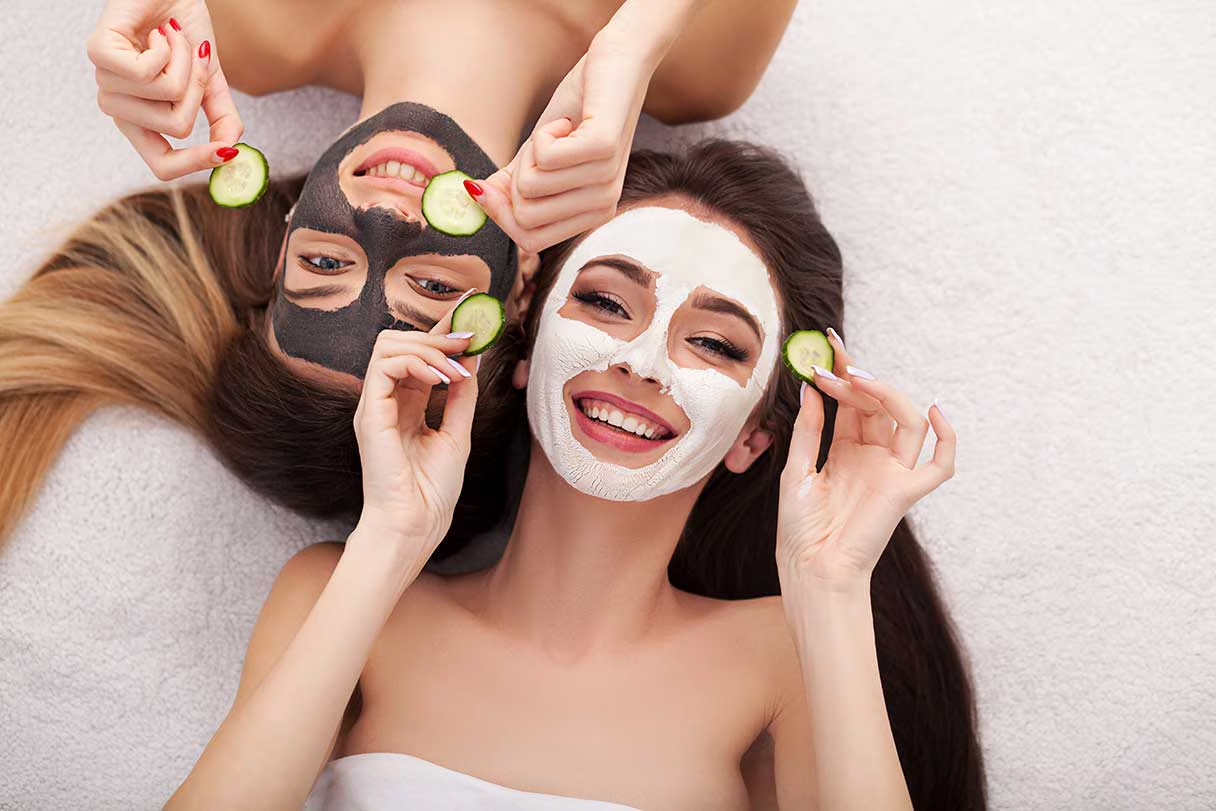
Your guide to professional facials and why your face deserves the very best care