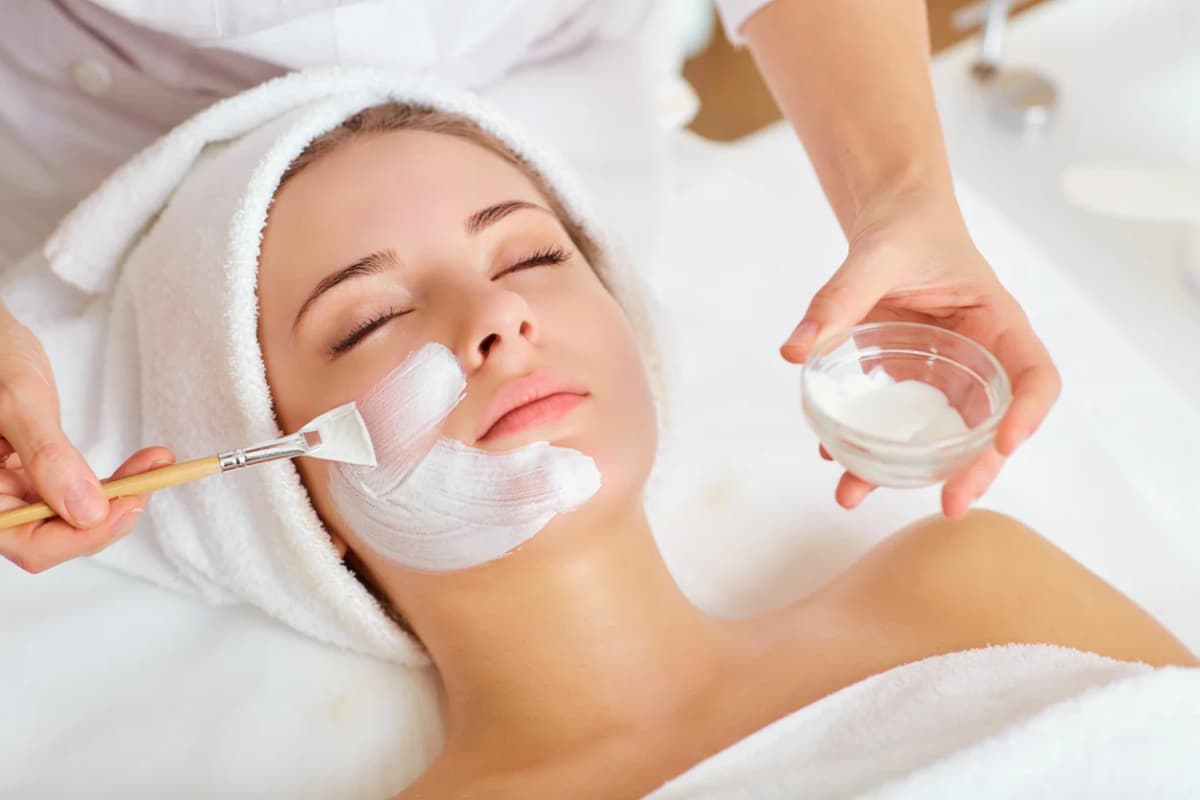
Facials 101: What a Facial Really Does and How to Choose the Right One
A clear, science-grounded guide to what facials do for your skin, the main types, how often to get them, and how to pick the right one.
Oily, dry, combination, sensitive or tanned skin? Here's how to choose the classic facial that actually suits you.
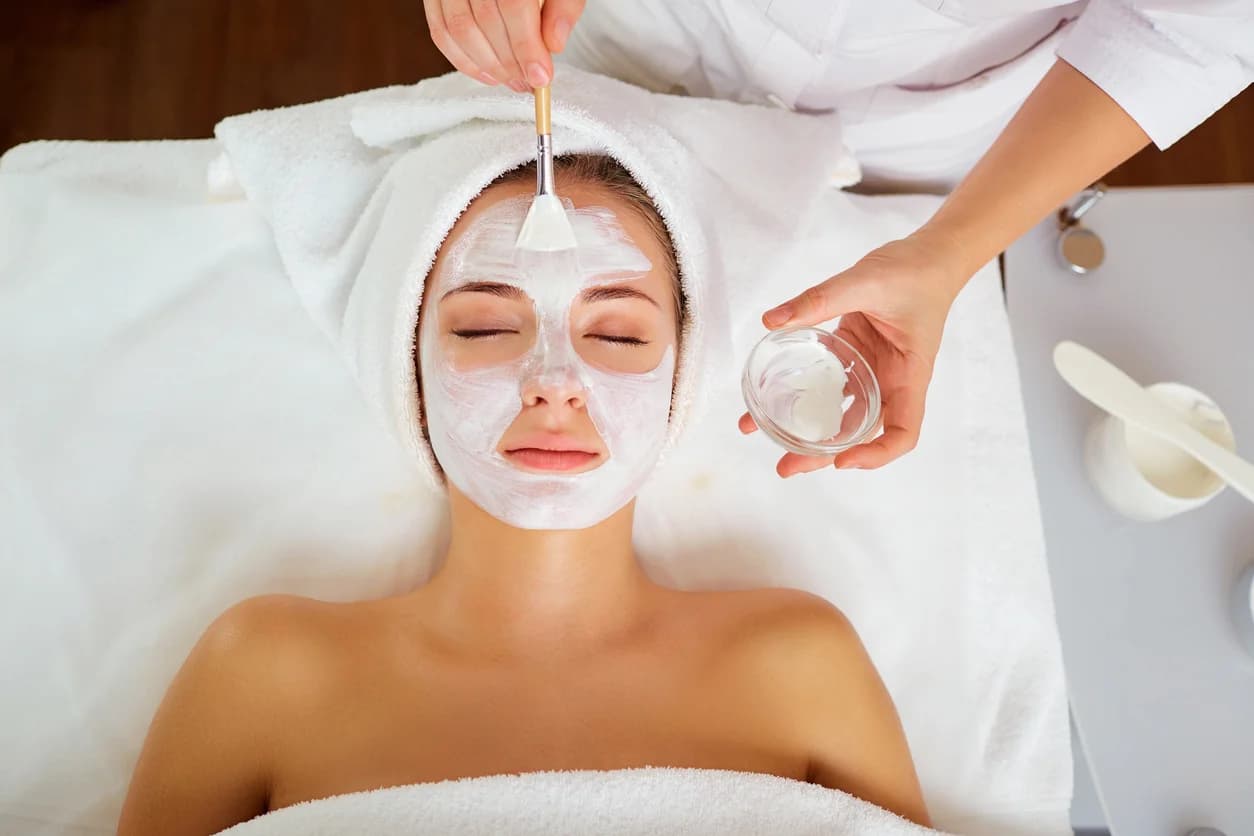
A facial only delivers if it's matched to your skin. The same treatment that leaves oily skin clear and balanced can leave dry skin tight and unhappy. The good news: choosing well isn't complicated once you know your skin type and your main concern. This friendly guide walks you through the classic facials and who each one suits, so your next appointment actually does what you hoped.
Know your skin in one minute
Oily: shiny by midday, visible pores, prone to blackheads and breakouts.
Dry: tight, flaky, dull, sometimes rough to the touch.
Combination: oily T-zone (forehead, nose, chin), normal-to-dry cheeks.
Sensitive: reacts easily, redness, stinging or itching with new products.
Tanned / uneven: darker patches, dullness, often after sun exposure.4
Look for a clarifying / deep-cleansing facial. These focus on thorough cleansing, gentle exfoliation, and professional extractions to clear clogged pores, done with sterile technique and proper preparation, which is far safer than squeezing at home.3 The result is skin that feels cleaner, looks clearer, and is less prone to congestion. Oily skin often benefits from slightly more frequent facials (around every three to four weeks) to keep buildup in check.2
A note on extractions
Professional extractions on clogged pores (blackheads/whiteheads) are routine. But active, inflamed, painful breakouts are best left alone or assessed by a dermatologist, since pressing inflamed acne can worsen redness and risk marks.3 A good therapist knows the difference.
A hydrating facial is your friend. The emphasis shifts from stripping to replenishing: gentle cleansing, light exfoliation, and moisture-boosting masks and serums that support the skin's barrier, the 'brick wall' that holds water in.6 You'll typically leave with plumper, more comfortable, glowing skin. Dry and sensitive skin usually does best with a little more time between facials (every six to eight weeks) so the barrier isn't over-stressed.2
Combination skin benefits from a balancing facial that treats different zones differently, clarifying and extractions where you're oily (often the T-zone), hydration where you're dry (usually the cheeks). The skill here is in the customisation, which is exactly where a professional treatment beats a one-size-fits-all routine.1
Choose a soothing / sensitive-skin facial built around gentle, calming products and minimal mechanical stress, no harsh scrubs or aggressive extractions. The goal is to support and calm the barrier rather than challenge it.6 Always tell your therapist about past reactions so they can tailor (and patch-test where needed).
A de-tan / brightening facial targets dullness and sun-related darkening. It helps to understand why: UV exposure triggers your skin's pigment cells to make more melanin, which darkens the skin as a natural defence.4 Brightening facials use exfoliation and pigment-targeting actives to lift dull, pigmented surface cells and even out tone.4 A realistic expectation: a single facial refreshes and brightens, but stubborn pigmentation usually needs a course of treatments plus daily sunscreen, without sun protection, tan simply returns.4,5
Your skin / concern | Best classic facial | What you'll notice |
|---|---|---|
Oily, breakout-prone | Clarifying / deep-cleansing | Cleaner, clearer, less congested |
Dry, dehydrated | Hydrating | Plumper, comfortable, glowing |
Combination | Balancing (zone-specific) | Even, balanced skin |
Sensitive, reactive | Soothing / calming | Calmer, less reactive |
Tanned, uneven tone | De-tan / brightening | Brighter, more even (with sunscreen) |
Just want a glow | Classic / hydrating glow facial | Refreshed, radiant skin |
Consultation, we assess your skin type and concerns.
Cleanse and analyse to prep and personalise.
Exfoliate, then steam and extractions if appropriate.3
Mask and treatment chosen for your skin.
Moisturise and sun protection to finish.5
It's a relaxing hour or so and you'll leave with simple advice to keep the results going at home.
Wear sunscreen daily, non-negotiable, especially after a brightening facial.4,5
Be honest about products and reactions so your therapist can tailor safely.
Stay consistent, classic facials work best as regular maintenance, matched to your skin's needs.2
Skip strong home exfoliants for a few days around your facial.
Facials are unisex, and men's skin has a few quirks worth tailoring to: it tends to be thicker and oilier, and regular shaving can cause irritation and ingrown hairs. A clarifying facial suits many men well, with care taken around freshly shaved skin. The takeaway is the same as for everyone, match the facial to your skin type and concern, not to assumptions. At Diana & Dapper, this is a normal part of what we do.
Don't be surprised if the facial that suited you in winter feels wrong in summer. In Hyderabad's hot, humid stretches, skin often turns oilier and picks up more tan and grime, so clarifying and de-tan-focused facials tend to shine. In cooler, drier spells, skin leans dehydrated and a hydrating, gentler facial keeps the barrier comfortable.4,6 Your skin type is a baseline, not a life sentence, revisiting your choice a couple of times a year keeps your facials genuinely matched to your skin.
That's completely normal, skin can be a mix of things, and it changes with season, stress and age. Book a skin consultation at Diana & Dapper and we'll read your skin in person and recommend the classic facial that's genuinely right for you today.
1. GoodRx Health (medically reviewed). Are Facials Worth It? Benefits and What to Expect. https://www.goodrx.com/health-topic/dermatology/are-facials-worth-it
2. Healthline (medically reviewed). How Often Should You Get a Facial? (by skin type). https://www.healthline.com/health/beauty-skin-care/how-often-should-you-get-a-facial
3. Curology (dermatology-led). Dermatologist extraction of acne, what to know. https://curology.com/blog/dermatologist-extraction-of-acne-what-to-know-and-what-you-should-expect/
4. PMC. Topical treatment strategies to manipulate human skin pigmentation (UV, melanin, tan). https://pmc.ncbi.nlm.nih.gov/articles/PMC7442613/
5. American Academy of Dermatology. How to select a sunscreen. https://www.aad.org/public/everyday-care/sun-protection/shade-clothing-sunscreen/how-to-select-sunscreen
6. Journal of Drugs in Dermatology. Skin Barrier Health: the Stratum Corneum. https://jddonline.com/articles/skin-barrier-health-regulation-and-repair-of-the-stratum-corneum-and-the-role-of-over-the-counter-sk-S1545961616P1047X
A note on this article
This article is for general education and is based on the cited scientific sources. It is not medical advice. Results vary by individual; for persistent acne, pigmentation, or any skin condition, please consult a qualified dermatologist. At Diana & Dapper we discuss your skin type and concerns before recommending any treatment, book a consultation to find what's right for you.
Ready to book?
Sainikpuri and Malkajgiri. Walk-ins always welcome — no appointment needed.
Browse all articles or explore by topic below.
A clear, science-grounded guide to what facials do for your skin, the main types, how often to get them, and how to pick the right one.
What a keratin treatment really does, who it suits, and how to decide, explained simply, backed by science.
A friendly, honest guide to hair smoothening, what it is, how it differs from keratin and rebonding, and how we keep it safe.

Your scalp is the soil your hair grows from. Here's what a salon scalp treatment can and can't, do, explained simply.

A friendly guide to the quick add-on treatments worth booking alongside your facial or hair appointment and how to get the best results.
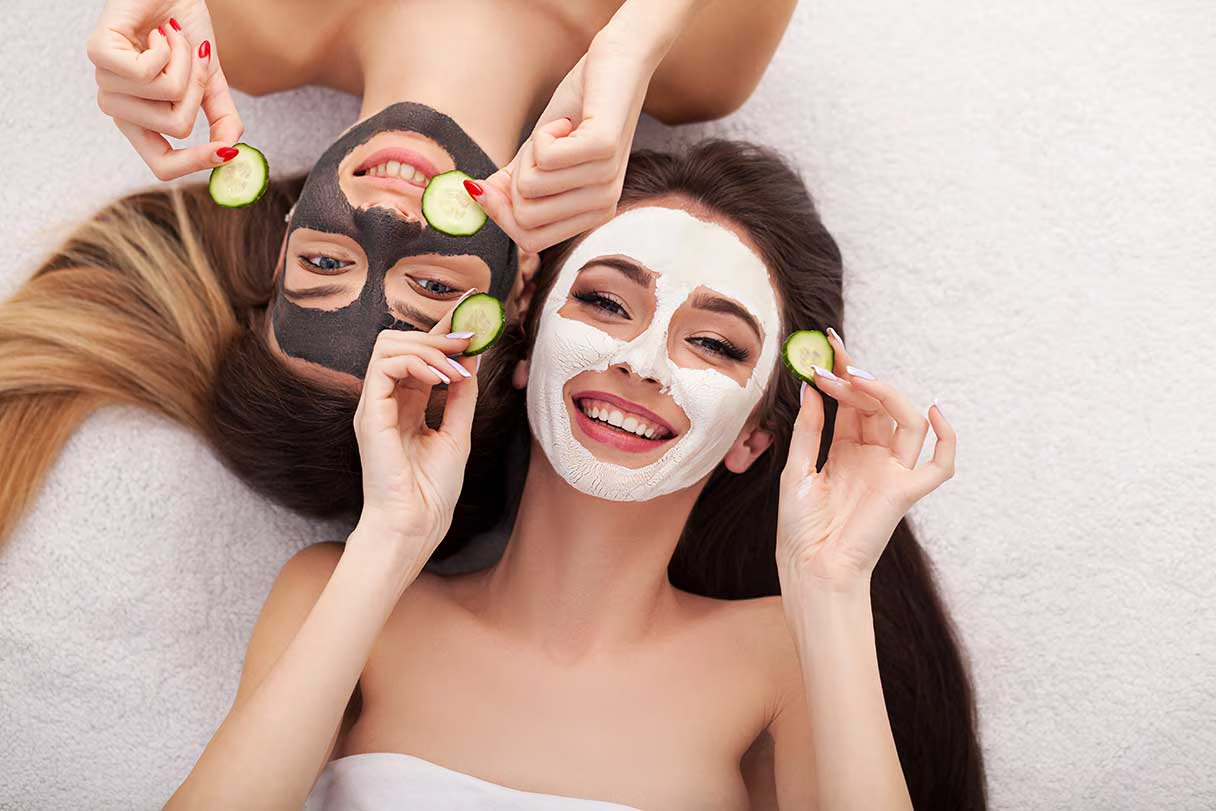
Your guide to professional facials and why your face deserves the very best care